
Chiropractic Manipulation and Mobilisation
Hands-on techniques that restore movement to restricted joints in the spine and body, matched to what each patient needs and finds comfortable.
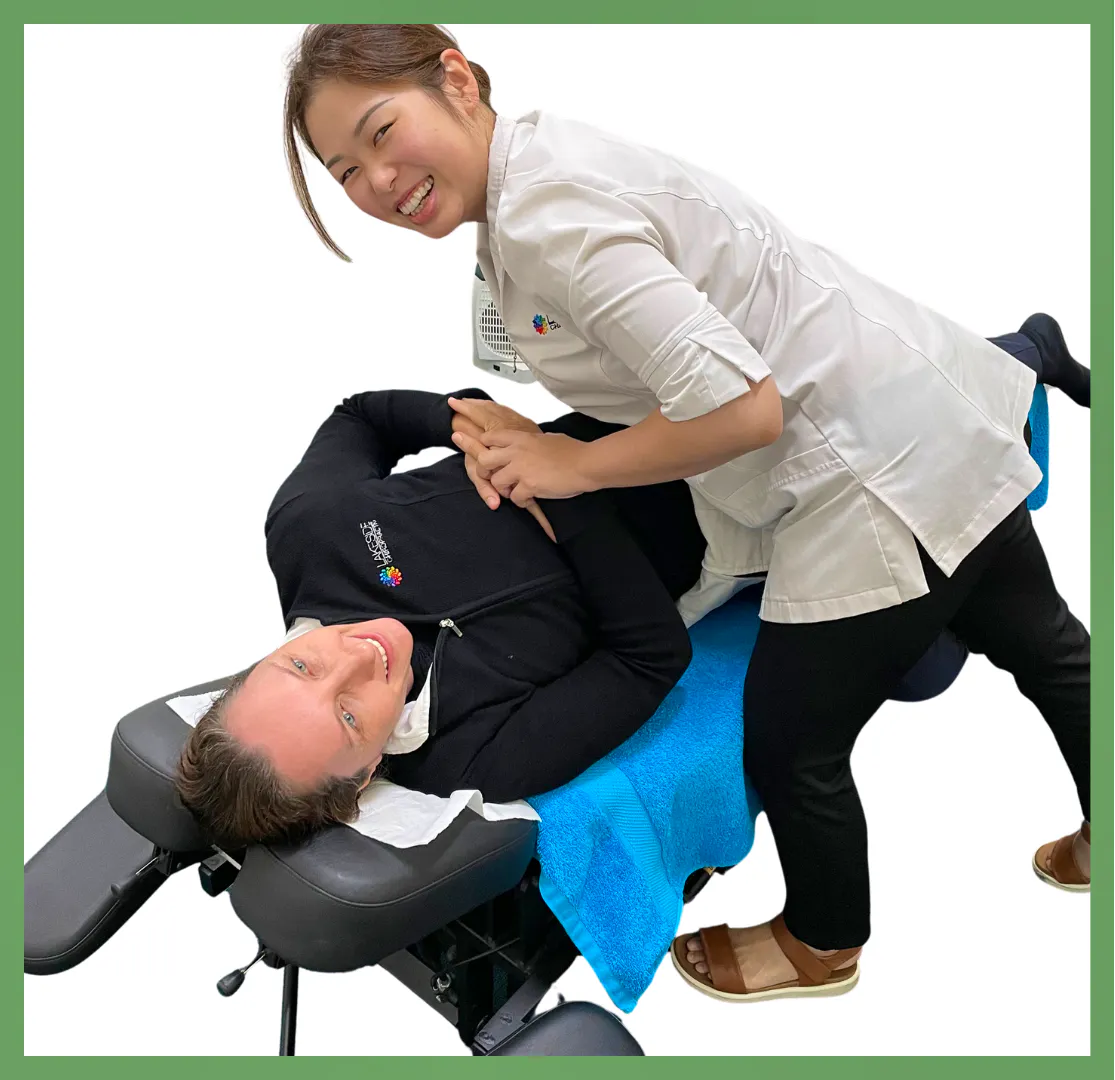
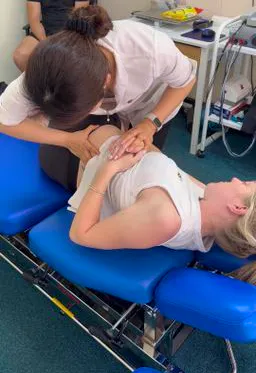
What Is Chiropractic Manipulation and Mobilisation?
Manipulation and mobilisation are two of the core hands-on techniques chiropractors use to restore movement to joints in the spine and body that aren't moving the way they should.
Both aim to reduce stiffness, ease pain, and support normal function, though they work in different ways.
Manipulation, sometimes called a high velocity, low amplitude thrust, is a quick, controlled movement applied to a specific joint. It's often accompanied by an audible release, commonly known as a “crack” or “pop”, which comes from gas bubbles releasing within the joint fluid rather than anything being put back into place.
Mobilisation uses slower, rhythmic movements that stay within the joint's existing range of motion. There's no thrust involved, which makes it a useful option for patients who prefer a gentler approach, or for joints where manipulation isn't the most appropriate technique.
At Lakeside Chiropractic, our chiropractors are trained in both techniques and choose the right approach, or a combination of both, based on your assessment, the joint involved, and your own comfort and preference.
How Manipulation and Mobilisation Are Used
The Two Techniques
- Manipulation: A brief, targeted thrust that moves a joint slightly beyond its usual passive range, often producing an audible release.
- Mobilisation: Slower, graded, repeated movements that stay within the joint's normal range, without a thrust.
The Goals of Treatment Are To
- Restore normal joint movement and range of motion
- Reduce pain, stiffness, and muscle guarding
- Support healthy posture and movement patterns
- Complement rehabilitation exercises and other therapies
- Help you return to normal daily activity
Conditions Manipulation and Mobilisation Can Help With
- Neck pain and stiffness, including neck facet joint pain
- Low back pain, including mechanical low back pain
- Cervicogenic headaches, or headaches originating from the neck
- Mid-back, or thoracic, stiffness and restricted movement
- Restricted movement in the shoulders, hips, or other joints
- Postural strain from prolonged sitting or repetitive movement
It's often combined with soft tissue therapy, rehabilitation, or other techniques as part of a broader, individualised care plan.
Comfortable, Appropriate Treatment Selection
Your chiropractor will choose the most appropriate technique based on your history, physical assessment, joint mobility, symptoms, and treatment preferences.
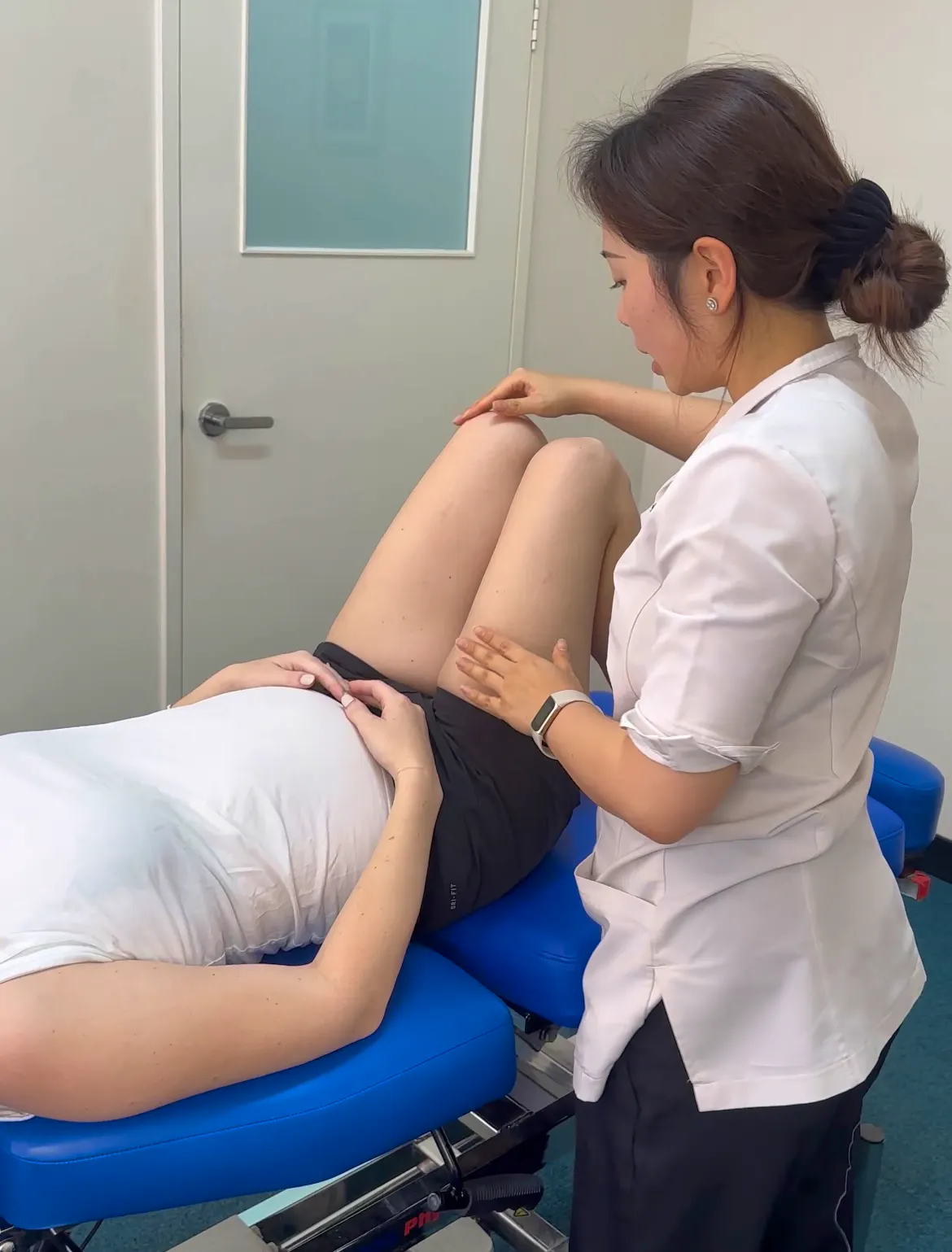
Some patients respond well to traditional manipulation, while others are better suited to gentler mobilisation techniques. In many cases, both approaches may be used at different stages of care.
Your chiropractor may also combine manipulation or mobilisation with soft tissue therapy, rehabilitation exercises, dry needling, cold laser therapy, or other supportive techniques.
The goal is always to use the most comfortable and effective approach for your presentation, based on your assessment and preferences.
Relevant Research & Clinical Evidence
Manipulation and mobilisation are among the most extensively researched treatments in musculoskeletal care.
- A 2019 systematic review and meta-analysis published in The BMJ examined the benefits and harms of spinal manipulative therapy for chronic low back pain and found it produced similar improvements in pain and function to other therapies recommended in clinical guidelines.
- A 2023 systematic review in the Journal of Orthopaedic & Sports Physical Therapy found that cervical manipulation was associated with reduced pain and disability compared with other recommended treatments for neck pain. The authors rated the certainty of this evidence as low to very low, and noted that any side effects reported were mild and temporary, such as brief muscle soreness.
- A randomised controlled trial conducted in Sydney compared manipulation directly with mobilisation for recent onset neck pain and found the two techniques produced comparable improvements in pain and recovery time, supporting mobilisation as an effective alternative where manipulation isn't the preferred approach.
Together, this research supports manipulation and mobilisation as well-researched, evidence-informed options within a broader, individualised care plan for musculoskeletal pain. As with any treatment, results vary between individuals, and your chiropractor will discuss what's appropriate for your specific presentation.
Frequently Asked Questions
Learn more about manipulation and mobilisation, what they feel like, and how your chiropractor decides which to use.
References
Rubinstein SM, de Zoete A, van Middelkoop M, Assendelft WJJ, de Boer MR, van Tulder MW. Benefits and harms of spinal manipulative therapy for the treatment of chronic low back pain: systematic review and meta-analysis of randomised controlled trials. BMJ. 2019;364:l689. Available from: https://pubmed.ncbi.nlm.nih.gov/30867144/
Minnucci S, Innocenti T, Salvioli S, et al. Benefits and harms of spinal manipulative therapy for treating recent and persistent nonspecific neck pain: a systematic review with meta-analysis. J Orthop Sports Phys Ther. 2023;53(9):510-528. Available from: https://pubmed.ncbi.nlm.nih.gov/37561605/
Leaver AM, Maher CG, Herbert RD, Latimer J, McAuley JH, Jull G, Refshauge KM. A randomized controlled trial comparing manipulation with mobilization for recent onset neck pain. Arch Phys Med Rehabil. 2010;91(9):1313-1318. Available from: https://pubmed.ncbi.nlm.nih.gov/20801246/

