
Activator Method Chiropractic Technique
A gentle, low-force chiropractic technique using a handheld instrument to deliver precise, comfortable adjustments to the spine and joints.

See the Activator Technique in Action
Watch the short video to see how the Activator Method may be used during an actual chiropractic treatment session.
What Is the Activator Technique?
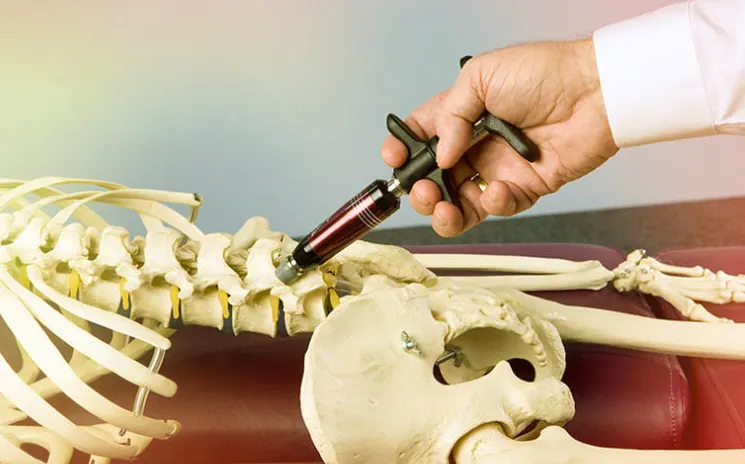
The Activator Method is a gentle, low-force chiropractic technique that uses a handheld instrument to deliver precise adjustments to the spine and joints.
Instead of manual manipulation or twisting, this method relies on a small, spring-loaded device called the Activator Adjusting Instrument to restore motion, improve alignment, and reduce pain.
The instrument delivers a quick, targeted impulse to specific areas of the spine or body, allowing for a controlled and comfortable adjustment. This method is ideal for those who prefer a gentler approach, including children, seniors, and patients with conditions where manual adjustments may be contraindicated.
How Chiropractors Use the Activator Method
Chiropractors use the Activator Method to:
- Improve joint function and mobility
- Reduce muscle tension and nerve irritation
- Support postural alignment
- Promote natural healing in a non-invasive way
Relevant Research & Clinical Evidence
The Activator Method has been studied for its use in chiropractic care, and the evidence to date is mixed but generally supportive as one option among several.
- A 2010 observational study comparing mechanical (Activator) and manual manipulation in patients with acute low back pain found manual manipulation produced significantly greater pain relief at four weeks, while both approaches produced similar improvements in disability and function. The authors described it as a preliminary study intended to inform a future, more tightly controlled trial.
- A two-part literature review conducted for the Chiropractors' Association of Saskatchewan assessed the efficacy, safety, and use of mechanical adjusting devices including the Activator. The majority of the review committee found Activator procedures comparable to manual (HVLA) adjusting for producing clinical benefit, though a minority report argued the evidence wasn't strong enough to draw a firm conclusion either way.
More high-quality randomised trials are needed before firm conclusions can be drawn. Current evidence supports the Activator as a reasonable option for patients who prefer a lower-force technique, particularly for back pain, neck pain, and joint dysfunction, chosen based on clinical judgement and each patient's presentation.
Frequently Asked Questions
Learn more about what the Activator Technique feels like, how it differs from manual adjustments, and when it may be used.

