
Paediatric Chiropractic Care
Gentle, age-appropriate chiropractic care for infants, children, and adolescents to support movement, posture, and musculoskeletal development.

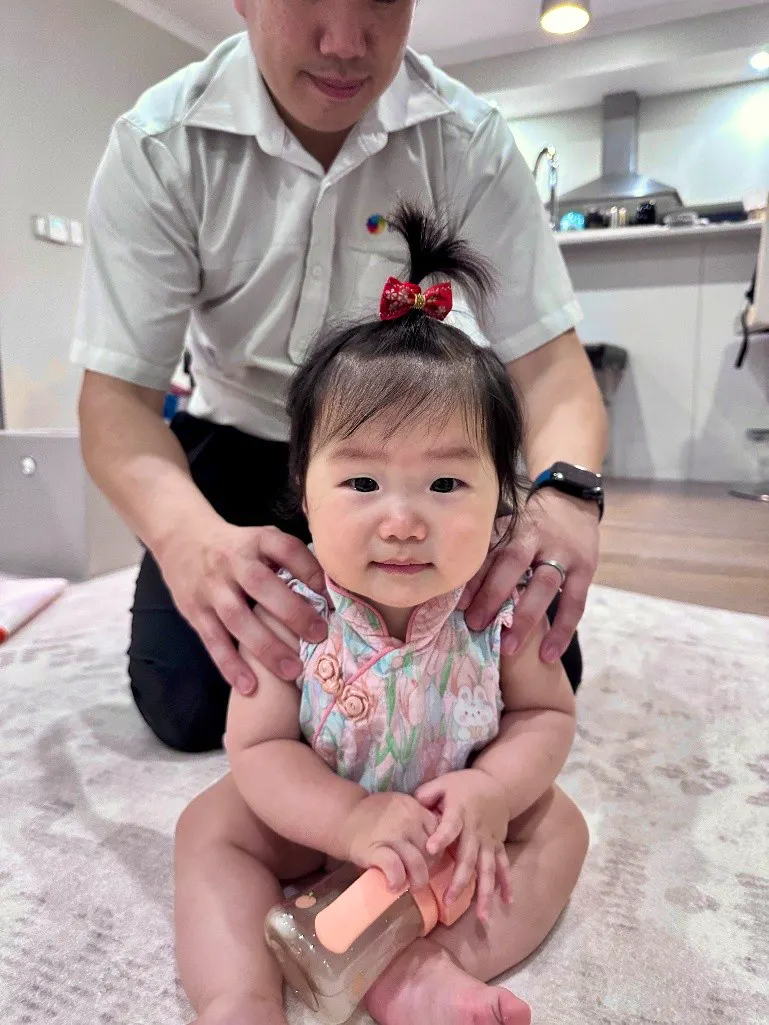
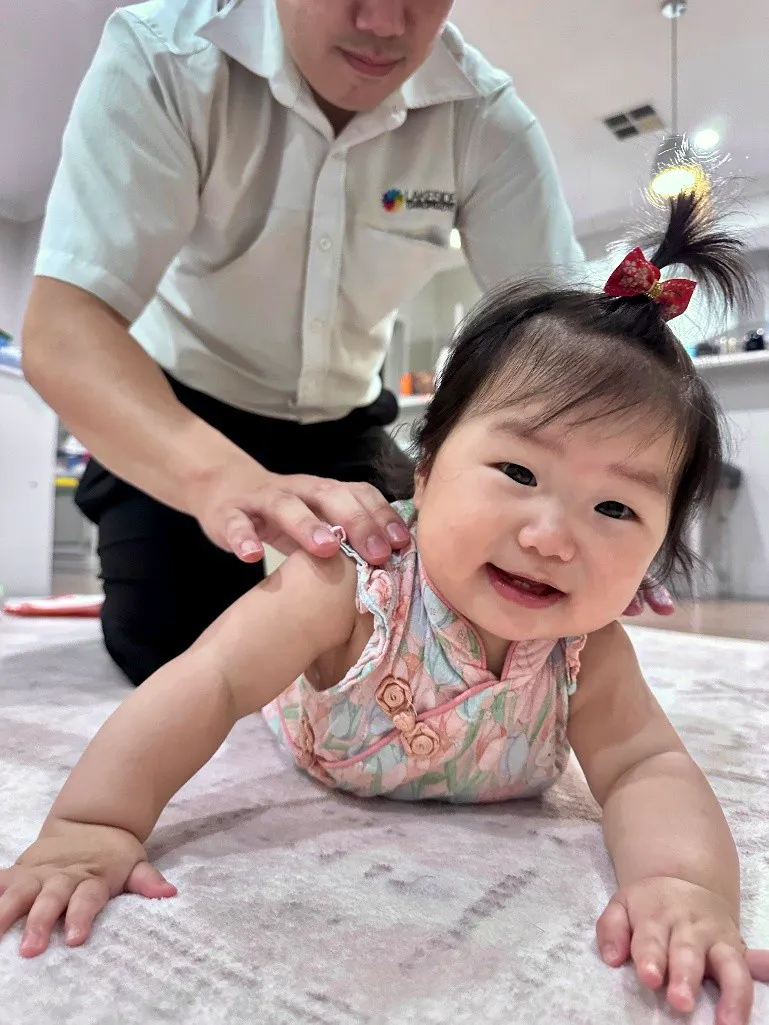
At Lakeside Chiropractic, we offer chiropractic care tailored for infants, children, and adolescents. Our approach focuses on gentle, age-appropriate techniques designed to support your child's development, mobility, and overall well-being.
What Is Paediatric Chiropractic Care?
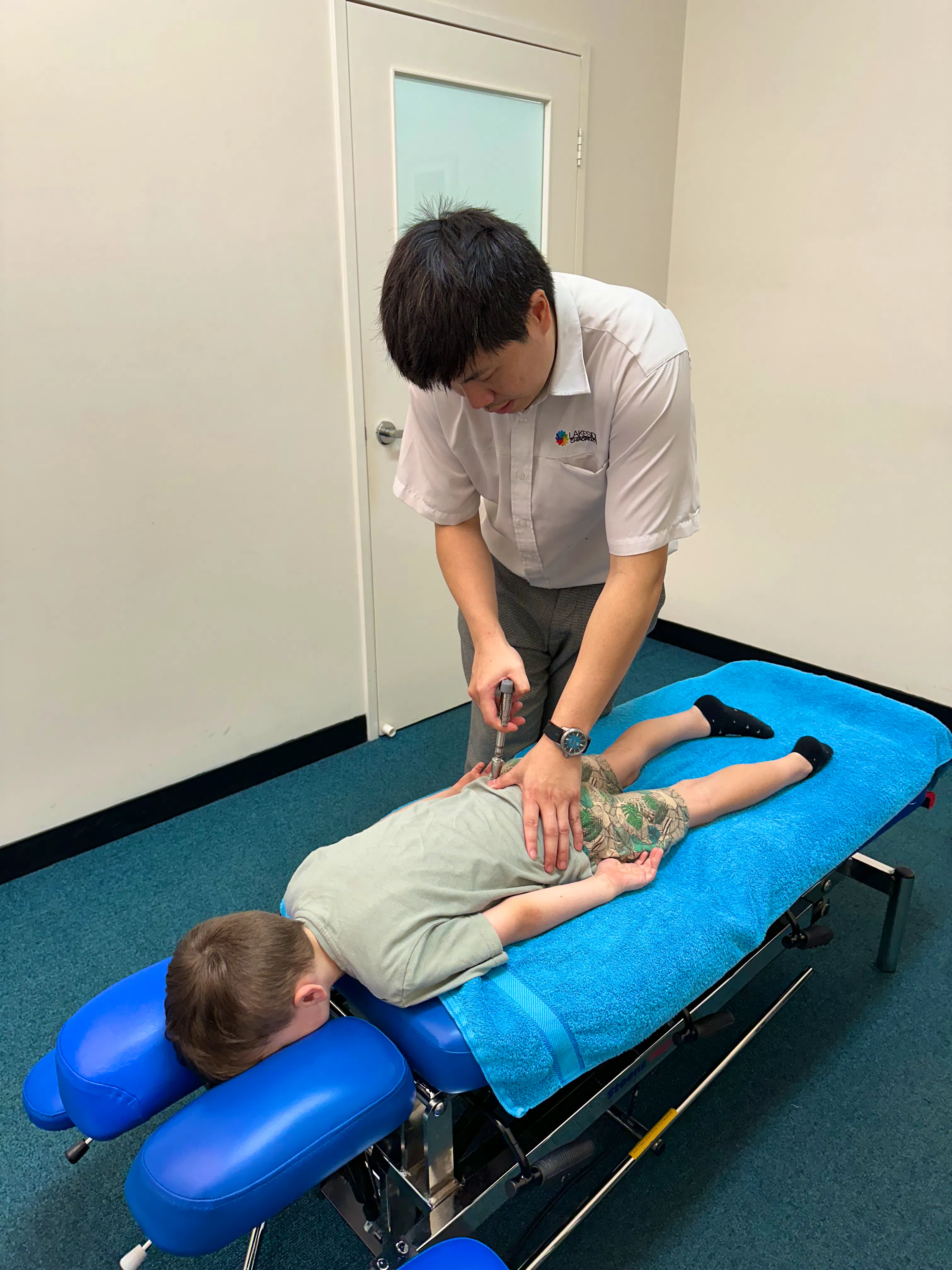
Paediatric chiropractic care involves the gentle assessment and treatment of the spine, joints, and nervous system in infants, children, and teenagers. The aim is to support healthy growth, movement patterns, posture, and musculoskeletal development.
Children may experience physical stress from:
- Birth trauma, such as prolonged labour, forceps, or vacuum delivery
- Falls while learning to walk
- Poor posture from carrying school bags or using digital devices
- Sports injuries or repetitive movements
These stressors may affect spinal mobility, posture, or nervous system function. Chiropractors use gentle, modified techniques to help improve joint movement and soft tissue function.
What Techniques Are Used?
Each child’s care plan is based on a thorough health history and physical assessment.
For Infants
Chiropractors may use gentle fingertip pressure — no more than what you'd use to test a ripe tomato. Adjustments may be made using the Activator® or other low-force techniques.
For Toddlers & Older Children
Treatment is modified to suit their age and tolerance, using gentle manual techniques or instruments.
Soft Tissue Techniques
Myofascial release and gentle stretching may help reduce tension or support movement coordination.
Frequently Asked Questions
Learn more about paediatric chiropractic care, what to expect, and how we make visits comfortable for children and families.
We aim to make every visit relaxed and positive.
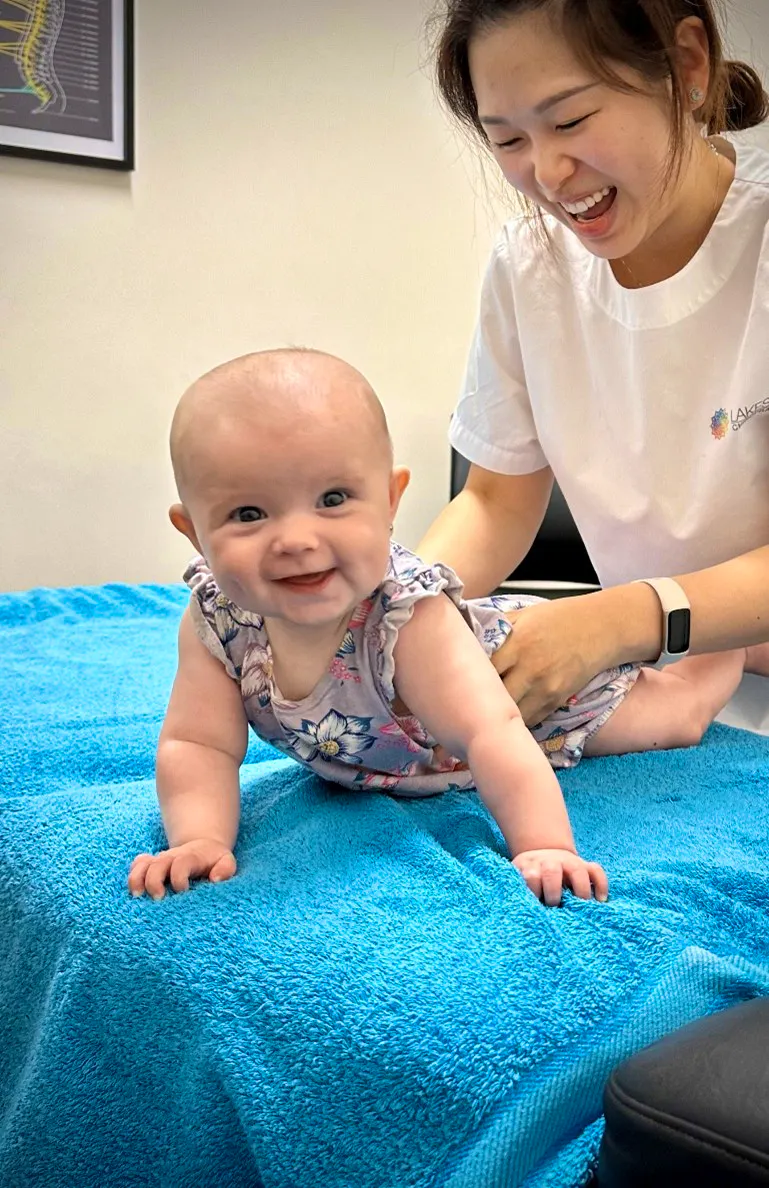
- Infants: Try to book at a time they’re usually settled. Feeding and letting them nap beforehand often helps. Comfort items like a dummy or toy are welcome.
- Toddlers and older children: Let them know their body is being checked to help with movement or comfort. You can bring snacks, toys, or books for the visit.
Common reasons include:
- Postural asymmetries or muscle tension, such as torticollis, flat head, or side preference
- Delays or concerns with crawling or walking
- Discomfort following minor falls or injuries
- General support for musculoskeletal development during growth spurts or physical activity
Chiropractors do not treat medical conditions like asthma, colic, or ear infections. If concerns fall outside our scope, we refer appropriately.
Relevant Research & Clinical Evidence
Recent studies have looked at the safety and use of chiropractic care in children.
- A survey of Australian parents, recruited through online parenting groups, found that complementary and alternative therapies, including chiropractic, are commonly used for children.
- A synthesis of systematic reviews, published in Chiropractic & Manual Therapies, looked specifically at positional plagiocephaly (flat head) and congenital muscular torticollis, two of the most common reasons parents seek this kind of care. It found moderate to high quality evidence that manual therapy works better than repositioning and tummy time alone for flat head, and moderate favourable evidence that practitioner-led stretching improves range of movement in torticollis.
The strongest evidence here is for manual therapy as a category, which chiropractors provide alongside physiotherapists and osteopaths, rather than chiropractic-only trials.
Our Commitment to Evidence-Informed Care
At Lakeside Chiropractic, we follow the standards set by AHPRA and the Chiropractic Board of Australia. This means:
- All care is tailored to each child’s needs, based on thorough assessment and current best practices
- We obtain informed consent from parents or guardians before starting any treatment
- We monitor progress carefully and make referrals when needed
If you’d like to learn more or book a consultation, call us on (08) 9300 0095 or book online for an assessment.
References
Frawley, J. E., Anheyer, D., Davidson, S., & Jackson, D. (2017). Prevalence and characteristics of complementary and alternative medicine use by Australian children. Journal of Paediatrics and Child Health, 53(8), 782–787. https://doi.org/10.1111/jpc.13555
Ellwood, J., Draper-Rodi, J., & Carnes, D. (2020). The effectiveness and safety of conservative interventions for positional plagiocephaly and congenital muscular torticollis: a synthesis of systematic reviews and guidance. Chiropractic & Manual Therapies, 28, 31. https://doi.org/10.1186/s12998-020-00321-w

