
ITB Syndrome Treatment in Joondalup: Relief for Outer Knee and Thigh Pain
A structured approach combining soft tissue work, targeted strengthening and load management can help runners and cyclists in Perth’s northern suburbs get back to training pain free.
What Is ITB Syndrome?
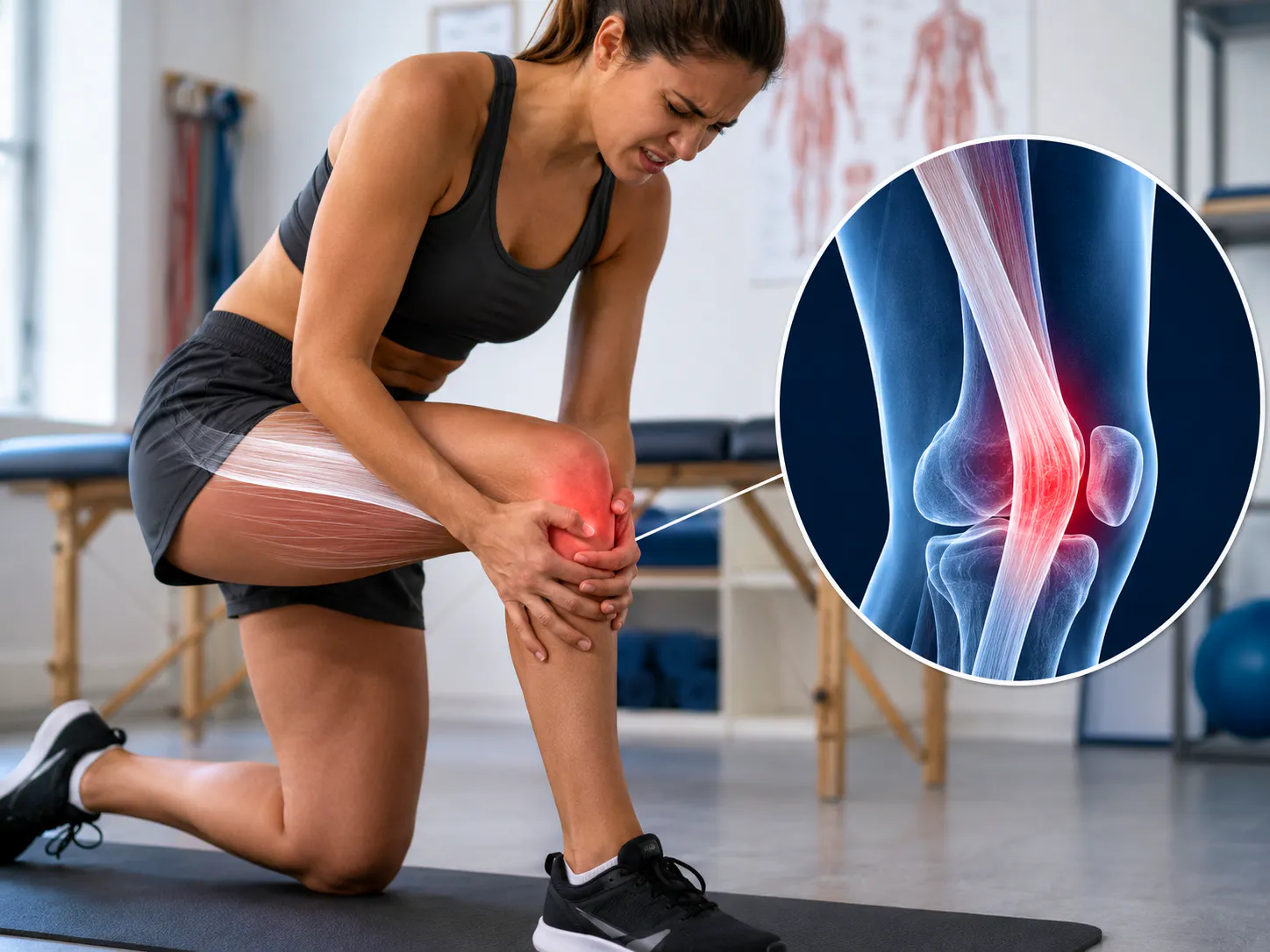
Iliotibial band syndrome, usually just called ITB syndrome, is one of the most common overuse injuries we see in runners around Joondalup, Currambine and Wanneroo.
It causes a sharp or burning pain on the outer side of the knee that typically builds up during a run and can become severe enough to stop you in your tracks.
The iliotibial band is a thick band of connective tissue that runs down the outer thigh from the hip to just below the knee. As the knee bends and straightens repeatedly during running, the band moves back and forth over a bony bump on the outside of the knee. When this movement becomes irritated, usually due to overuse or weakness further up the kinetic chain at the hip, it leads to the sharp lateral knee pain typical of this condition.
Symptoms of ITB Syndrome
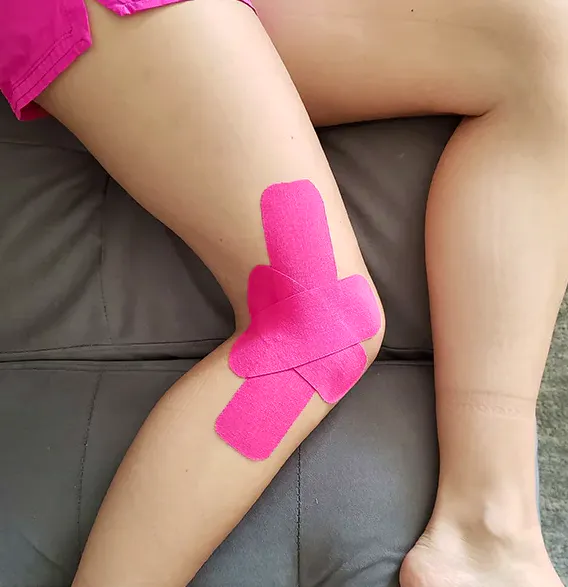
- A sharp or burning pain on the outer side of the knee
- Pain that typically starts after a predictable distance or time into a run and worsens from there
- Tenderness over the outer knee, particularly just above the joint line
- Pain that eases with rest but returns quickly once running resumes
- Occasional tightness or aching felt further up the outer thigh
What Causes ITB Syndrome
- Weakness in the hip abductor muscles, particularly the gluteus medius
- A sudden increase in running volume, hill training or downhill running
- Running technique factors, such as excessive inward movement of the knee
- Tightness through the iliotibial band and surrounding thigh muscles
- Worn out or unsuitable running shoes
What the Research Shows
Hip strengthening combined with hands on treatment shows the most consistent results.
A 2024 systematic review by Sanchez-Alvarado et al. looked at conservative treatment approaches for ITB syndrome in runners and found that hip abductor strengthening, often combined with manual therapy or myofascial release, was associated with meaningful improvements in pain and function, while stretching alone did not reliably change the length of the band itself.
How We Can Help
Because ITB syndrome so often starts at the hip rather than the knee, our assessment looks at the whole kinetic chain.
Depending on what we find, treatment might include:
Get Back on Track
If outer knee pain keeps cutting your runs short, our Joondalup team can assess your hip strength and running mechanics to help you get back on track.
Call 9300 0095 to book an appointment.
References
- Sanchez-Alvarado A, Bokil C, Cassel M, Engel T. Effects of conservative treatment strategies for iliotibial band syndrome on pain and function in runners: a systematic review. Frontiers in Sports and Active Living. 2024. PMID 39247485
Disclaimer: This page is intended as general information only and does not replace individual assessment and advice from a qualified health professional. If you're dealing with outer knee pain, particularly if it’s related to running, book an appointment with our team so we can assess your specific situation and recommend an appropriate treatment plan.
Location Details

| Day | Hours |
|---|---|
| Sunday | 9:00 AM - 4:00 PM |
| Monday | 9:00 AM - 7:00 PM |
| Tuesday | 8:00 AM - 7:00 PM |
| Wednesday | 8:00 AM - 7:00 PM |
| Thursday | 8:00 AM - 7:00 PM |
| Friday | 8:00 AM - 7:00 PM |
| Saturday | 8:00 AM - 4:00 PM |

