
Freezing
Pain is the main feature, often severe at night, while movement gradually becomes more limited.
Can last several monthsProgressive stiffness, persistent aching, and a shoulder that simply will not move the way it should. Here is what frozen shoulder is, why it happens, and what can be done about it.
Frozen shoulder, known clinically as adhesive capsulitis, develops slowly, often without an obvious injury. It can make reaching behind your back, lifting your arm overhead, and sleeping on the affected side difficult for months at a time.
The shoulder joint is enclosed in a sleeve of connective tissue called the joint capsule.
In frozen shoulder, this capsule becomes inflamed, thickened, and progressively tighter. Bands of scar-like adhesions develop and restrict movement in multiple directions.
Unlike many shoulder problems that affect a particular tendon or area, frozen shoulder limits the whole joint.
It most commonly affects people between 40 and 60, is more common in women, and is significantly more prevalent in people with diabetes. It can follow a minor injury or a period of immobility, but often there is no clear trigger.

The condition usually progresses through three overlapping stages. The timing varies considerably between individuals.
Pain is the main feature, often severe at night, while movement gradually becomes more limited.
Can last several monthsPain may ease slightly, but stiffness becomes the dominant problem and everyday tasks can become genuinely difficult.
Movement is often most restrictedMovement gradually returns. This is often the longest stage and progress may continue for a year or more.
Recovery continues graduallyTotal recovery commonly takes one to three years, although many people experience meaningful improvement much sooner with consistent management.
The defining feature is progressive restriction across several movements rather than pain isolated to one tendon or position.
A deep ache may remain present throughout the day and can become more severe at night.
Sleeping on the affected side may become difficult or impossible during the painful stage.
The shoulder becomes restricted across the whole joint rather than in only one movement.
Reaching shelves, washing hair, or lifting the arm overhead can become difficult.
Reaching behind the back is commonly one of the first and most restricted movements.
Symptoms often develop over weeks or months without a single obvious event.
Conservative care can support movement and function through recovery, but it is not a shortcut through the natural stages of the condition.
A 2023 systematic review by Kirker et al. found improvements with manual therapy and exercise, although the overall research quality was low.
This makes it difficult to fully separate treatment effects from the condition's natural progression.
A 2017 review by Hawk et al. found low to moderate evidence supporting manual therapy for adhesive capsulitis.
Exercise combined with hands-on care was the most consistently supported approach.
The 2017 Steuri et al. meta-analysis found that low-level laser was the only modality to show moderate evidence of benefit across the major shoulder conditions reviewed, including frozen shoulder.
The grade, direction, and intensity of care change according to the stage of the condition and how irritable the shoulder is on the day.
We work into the posterior capsule, rotator cuff, and pectoral muscles that shorten and guard as the shoulder stiffens. Reducing the muscular contribution can make joint mobilisation more effective.
Graded Maitland-style mobilisation is directed toward the inferior and posterior glenohumeral joint, where the capsule commonly tightens. The grade and direction are changed according to the stage and irritability.
Dry needling may be used for the subscapularis, infraspinatus, and teres minor when these muscles develop secondary trigger points from guarded movement.
Low-level laser may be applied over the anterior and inferior joint capsule to address inflammation during the painful freezing stage, particularly when the shoulder is too irritable for stronger hands-on work.
Read more at Cold Laser Perth.
IFC may be used during the painful freezing stage to manage night pain and muscle guarding, helping make the rest of care more tolerable.
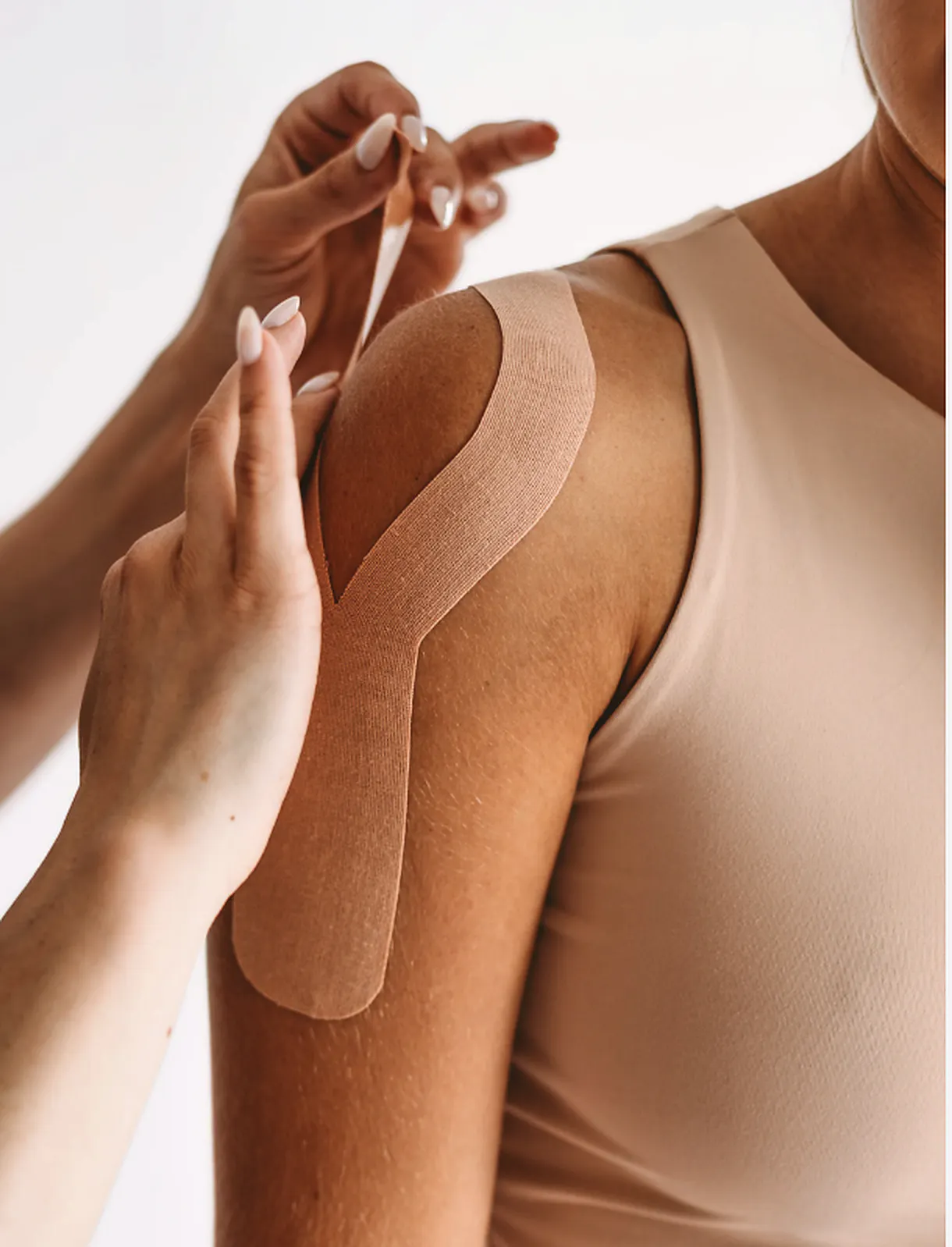
Taping may support the glenohumeral joint in a comfortable resting position and provide proprioceptive feedback during sleep and daily activity.
Capsular stretches and pendulum exercises are selected for the current stage. During thawing, the focus progresses toward restoring range in the directions that remain restricted.
Frozen shoulder takes time, and we will be upfront about that.
Consistent care can help reduce pain during the early stages, preserve as much movement as possible during the frozen stage, and support a smoother return of mobility during thawing.
Many people feel meaningfully better within a few months even when full resolution takes longer.
Lakeside Chiropractic is based in Joondalup and sees patients from Currambine, Woodvale, Kingsley, Duncraig, Wanneroo, Tapping, Carramar, Heathridge, Edgewater, Mullaloo, Padbury, Banksia Grove, Yanchep, Gnangara, and across Perth's northern suburbs.
Call us on 9300 0095 or visit lakesidechiro.com.au.
Disclaimer: This page provides general health information only and is not a substitute for professional assessment, diagnosis, or treatment. Results vary between individuals. Please consult a qualified health professional to discuss your individual circumstances.

| Day | Hours |
|---|---|
| Sunday | 9:00 AM - 4:00 PM |
| Monday | 9:00 AM - 7:00 PM |
| Tuesday | 8:00 AM - 7:00 PM |
| Wednesday | 8:00 AM - 7:00 PM |
| Thursday | 8:00 AM - 7:00 PM |
| Friday | 8:00 AM - 7:00 PM |
| Saturday | 8:00 AM - 4:00 PM |

