
Prepatellar Bursitis Treatment in Joondalup: Relief for Swelling at the Front of the Knee
If kneeling or repetitive knee strain has left you with a swollen, tender knee cap, our Joondalup team can help you manage prepatellar bursitis and reduce the chance of it coming back.
What Is Prepatellar Bursitis?
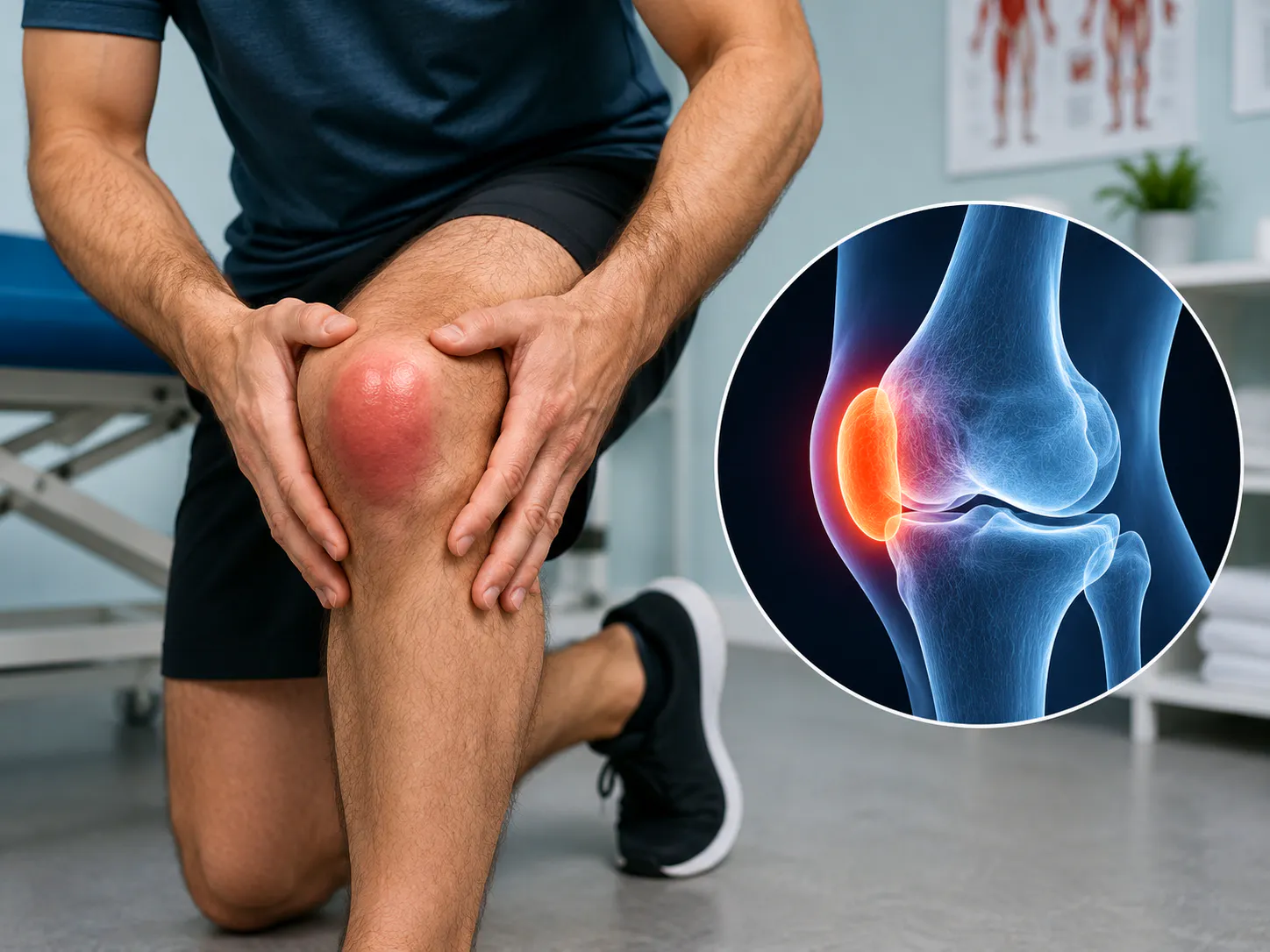
Prepatellar bursitis, sometimes known as housemaid’s knee or carpet layer’s knee, shows up as swelling and tenderness right over the front of the kneecap.
We see it fairly often in tradespeople, gardeners and anyone whose work or hobbies involve a lot of kneeling around Joondalup, Wanneroo and the surrounding suburbs.
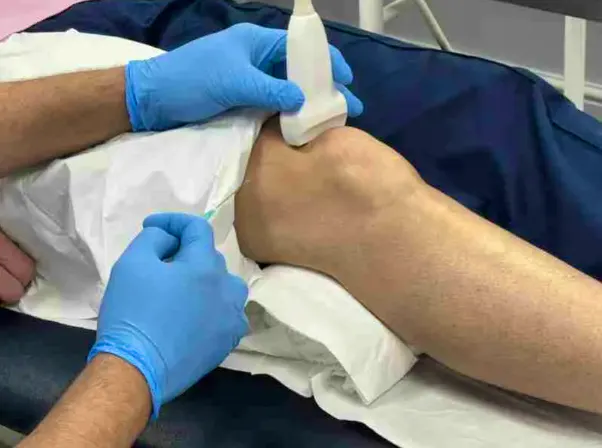
A bursa is a small, fluid filled sac that sits between the skin and the kneecap to reduce friction as the knee moves. Repeated pressure or friction over this area, most often from kneeling, can irritate the bursa and cause it to fill with extra fluid, leading to a soft, swollen lump at the front of the knee. It can also follow a direct knock to the knee. In some cases the bursa becomes infected, which needs prompt medical attention rather than conservative care, so an accurate diagnosis matters before starting treatment.
Symptoms of Prepatellar Bursitis
- A soft, noticeable swelling at the front of the kneecap
- Tenderness when pressing on the area or kneeling
- Warmth or redness over the swelling
- Pain that’s usually worse with direct pressure than with bending or straightening the knee
- Restricted kneeling or difficulty resting weight on the knee
What Causes Prepatellar Bursitis
- Repetitive or prolonged kneeling, common in trades, cleaning and gardening work
- A direct blow or fall onto the front of the knee
- Poor kneeling technique or lack of protective padding over long periods
- Underlying joint conditions such as osteoarthritis, which can make the bursa more prone to irritation
Understanding the Evidence
Conservative care is the standard first approach for non-infected cases.
A literature review and treatment algorithm developed by Baumbach et al. (2014) examined the available evidence for prepatellar and olecranon bursitis and found that a conservative approach, built around activity modification and addressing the underlying cause of irritation, is appropriate for the great majority of non-infected cases, with more invasive treatment reserved for cases that don’t settle.
How We Can Help
Once we’ve confirmed the bursitis isn’t infected, treatment focuses on calming the irritation and reducing the friction that caused it in the first place.
This might include:
A low-load treatment option that avoids direct pressure on the irritated area, useful for supporting tissue healing while the bursa is inflamed.
Read more about cold laser at our new website Cold Laser Perth .
References
- Baumbach SF, Lobo CM, Badyine I, Mutschler W, Kanz KG. Prepatellar and olecranon bursitis: literature review and development of a treatment algorithm. Archives of Orthopaedic and Trauma Surgery. 2014;134(3):359-370. PMID 24305696
Disclaimer: This page is intended as general information only and does not replace individual assessment and advice from a qualified health professional. If you're dealing with swelling or tenderness at the front of your knee, book an appointment with our team so we can assess your specific situation and recommend an appropriate treatment plan.
Location Details

| Day | Hours |
|---|---|
| Sunday | 9:00 AM - 4:00 PM |
| Monday | 9:00 AM - 7:00 PM |
| Tuesday | 8:00 AM - 7:00 PM |
| Wednesday | 8:00 AM - 7:00 PM |
| Thursday | 8:00 AM - 7:00 PM |
| Friday | 8:00 AM - 7:00 PM |
| Saturday | 8:00 AM - 4:00 PM |

