
Pressure or Pain
Facial pressure or pain may be felt around the cheeks, forehead, or behind the eyes.
Blocked sinuses, facial pressure, and that relentless congestion that never quite goes away. If this sounds familiar, you may be surprised to learn that a chiropractor can play a useful role in managing sinusitis, particularly the chronic kind.
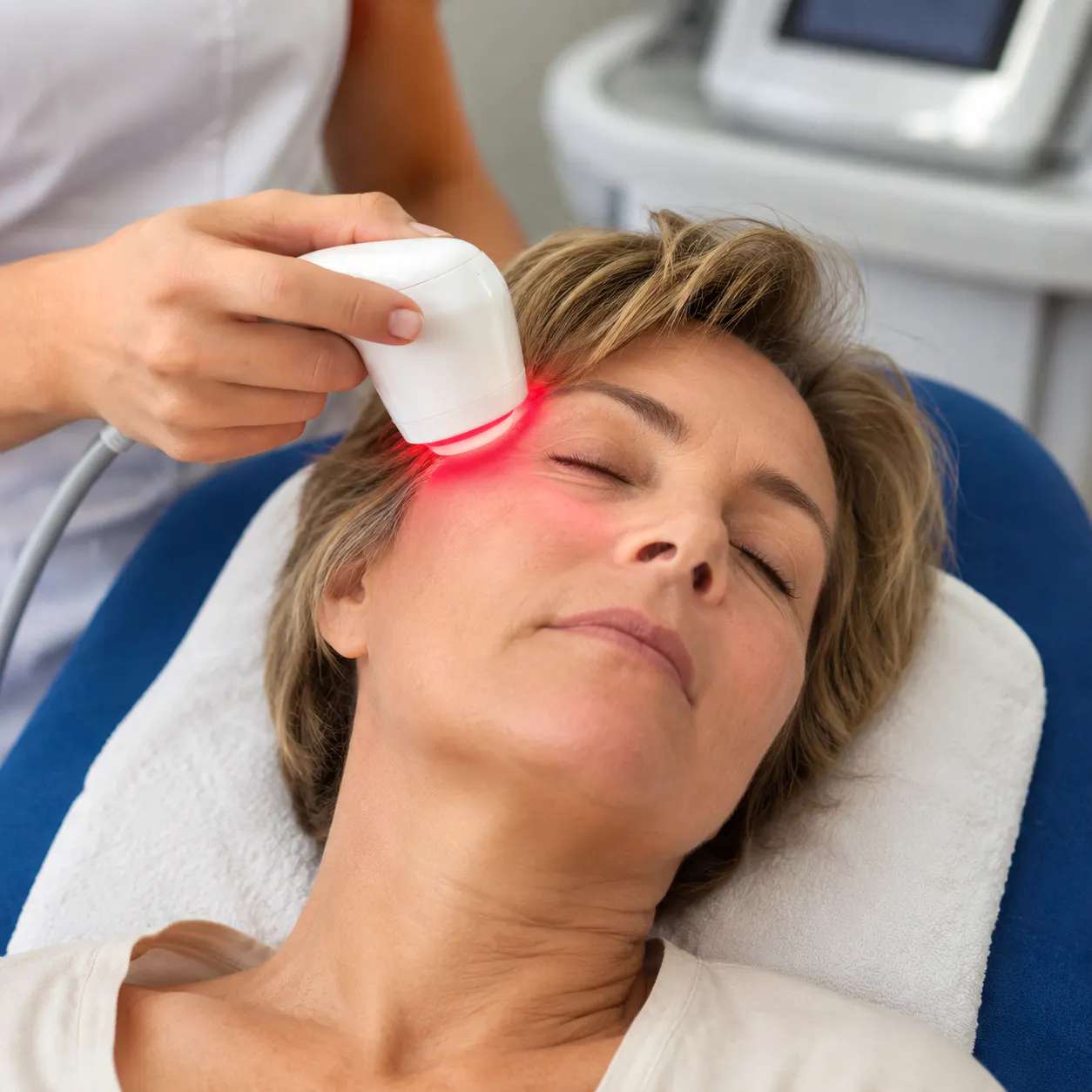
Sinusitis is inflammation of the sinus cavities, the air-filled spaces behind your forehead, cheeks, and nose.
When these become inflamed or blocked, mucus builds up and cannot drain properly. The result is that familiar combination of facial pressure, congestion, headache, and sometimes a reduced sense of smell.
Acute sinusitis is usually triggered by a cold or respiratory infection and clears up within a few weeks. Chronic sinusitis persists for 12 weeks or longer, often cycling between flare-ups and partial relief, and it can significantly affect sleep, concentration, and daily function.
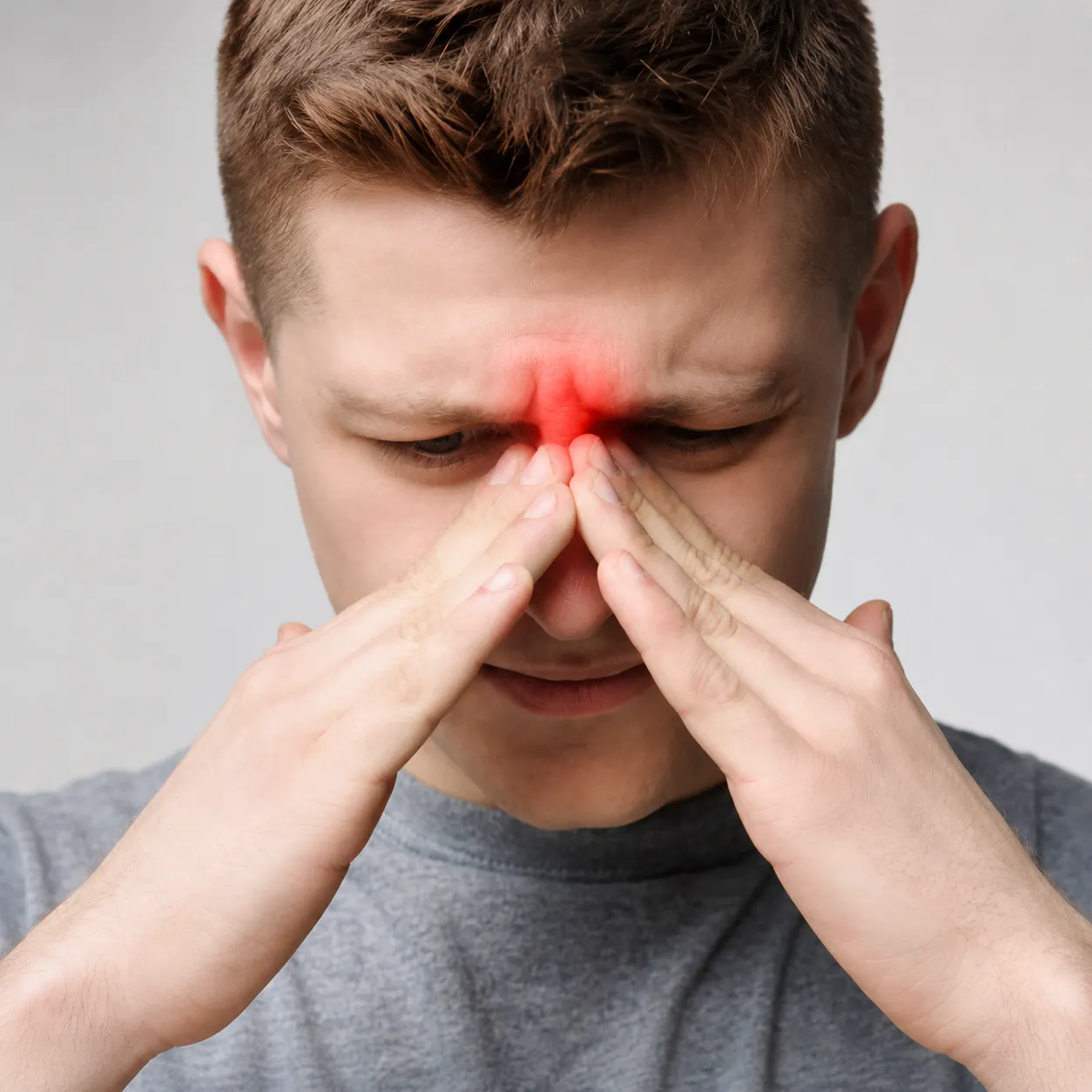
Chronic sinusitis presents differently in different people, but several symptoms are commonly reported.
Facial pressure or pain may be felt around the cheeks, forehead, or behind the eyes.
Nasal congestion may persist without fully clearing between flare-ups.
Thick nasal discharge or postnasal drip can accompany ongoing sinus inflammation.
Headaches may feel worse in the morning or when bending forward.
Inflammation and congestion may affect the sense of smell or taste.
Disrupted sleep can contribute to fatigue, while jaw tension or ear pressure may suggest a TMJ component.
Something that often gets overlooked in chronic sinusitis is how much the upper neck and jaw can contribute to the overall picture.
The upper cervical spine, particularly C1 and C2, sits in close anatomical proximity to the drainage pathways of the sinuses and shares nerve supply with the structures of the face and head. When the upper neck is stiff or restricted, it can affect local muscle tension, lymphatic flow, and referred pain patterns into the sinus region.
The TMJ is equally relevant. The masseter and pterygoid muscles that control jaw movement sit directly adjacent to the maxillary sinuses. Tension and trigger points in these muscles can refer pain into the cheek and face in patterns that closely mimic sinus pain.
It is surprisingly common for patients to be managing what they think is purely a sinus problem when part of what they are feeling is referred pain from the jaw and upper neck.
This does not mean the sinuses are not involved. Often both are present at the same time. But assessing the neck and jaw as part of a sinusitis presentation frequently reveals contributing factors that have gone unaddressed.
Our approach focuses on the musculoskeletal and soft tissue factors that can drive or worsen chronic sinus symptoms. We assess the upper cervical spine, the jaw, and the muscles of the face and neck, then build a targeted plan based on what we find.
A sham-controlled clinical trial published in Lasers in Medical Science found that five sessions of low-level laser therapy produced significant improvement in chronic rhinosinusitis symptoms compared with sham treatment.
Cold laser applied directly over the affected sinuses can help reduce inflammation and support tissue recovery. Read more at Cold Laser Perth.
Hands-on release of the masseter, temporalis, and pterygoid muscles may reduce referred facial pain and ease the sense of pressure around the cheeks and forehead.
A case report published in Physiotherapy Theory and Practice documented clinically meaningful improvements in craniofacial pain and quality of life in a chronic sinusitis patient treated with dry needling to head, neck, and facial trigger points, including reduced sinus infection frequency and medication use.
We assess C1 and C2 mobility and treat restrictions that may be contributing to local muscle tension and referred pain into the head and face.
Given how closely the jaw muscles sit to the sinus cavities, we always check for a TMJ component. If jaw tension is contributing to your facial symptoms, we address it directly as part of the same treatment plan.
The treatment approach is selected after assessing your symptom pattern, upper neck, jaw, and surrounding soft tissues.
We look for a musculoskeletal component while recognising when medical management or specialist assessment is needed.
This is particularly important if there is an active infection, nasal polyps, or a structural issue that needs specialist attention. If that is the case, we will say so and refer appropriately.
If you have been dealing with persistent sinus symptoms and want to find out whether there is a musculoskeletal piece worth addressing, book an assessment at Lakeside Chiropractic in Joondalup. We see patients from Currambine, Woodvale, Kingsley, Wanneroo, and Duncraig. Call 9300 0095 or visit lakesidechiro.com.au.
Disclaimer: This page provides general health information only and is not a substitute for professional medical assessment, diagnosis, or treatment. Sinusitis can have multiple causes and contributing factors. Please consult a qualified health professional to discuss your individual circumstances. Results vary between individuals.

| Day | Hours |
|---|---|
| Sunday | 9:00 AM - 4:00 PM |
| Monday | 9:00 AM - 7:00 PM |
| Tuesday | 8:00 AM - 7:00 PM |
| Wednesday | 8:00 AM - 7:00 PM |
| Thursday | 8:00 AM - 7:00 PM |
| Friday | 8:00 AM - 7:00 PM |
| Saturday | 8:00 AM - 4:00 PM |

