
TMJ and Jaw Pain Treatment in Joondalup: What It Is and How We Can Help
Jaw pain, clicking, locking, and headaches that seem to come from nowhere. TMJ disorders are more common than most people realise, and they are often connected to what is happening in the neck. Here is what you need to know.
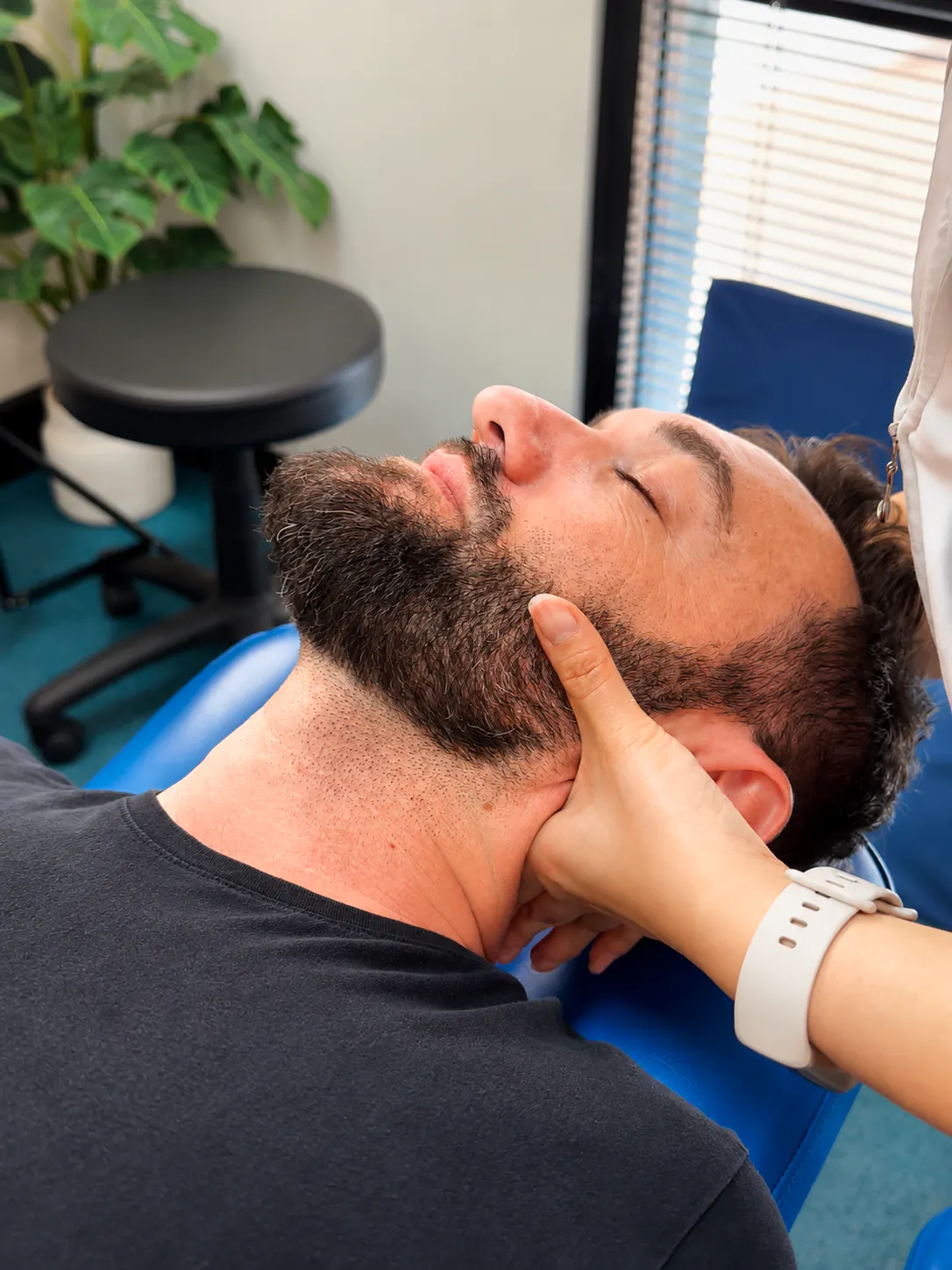
What Is the TMJ?
The temporomandibular joint, or TMJ, is the joint that connects your jaw to your skull, sitting just in front of each ear.
Every time you talk, chew, yawn, or swallow, it is working. When something goes wrong with this joint or the muscles around it, the result is a temporomandibular disorder, commonly called TMD.
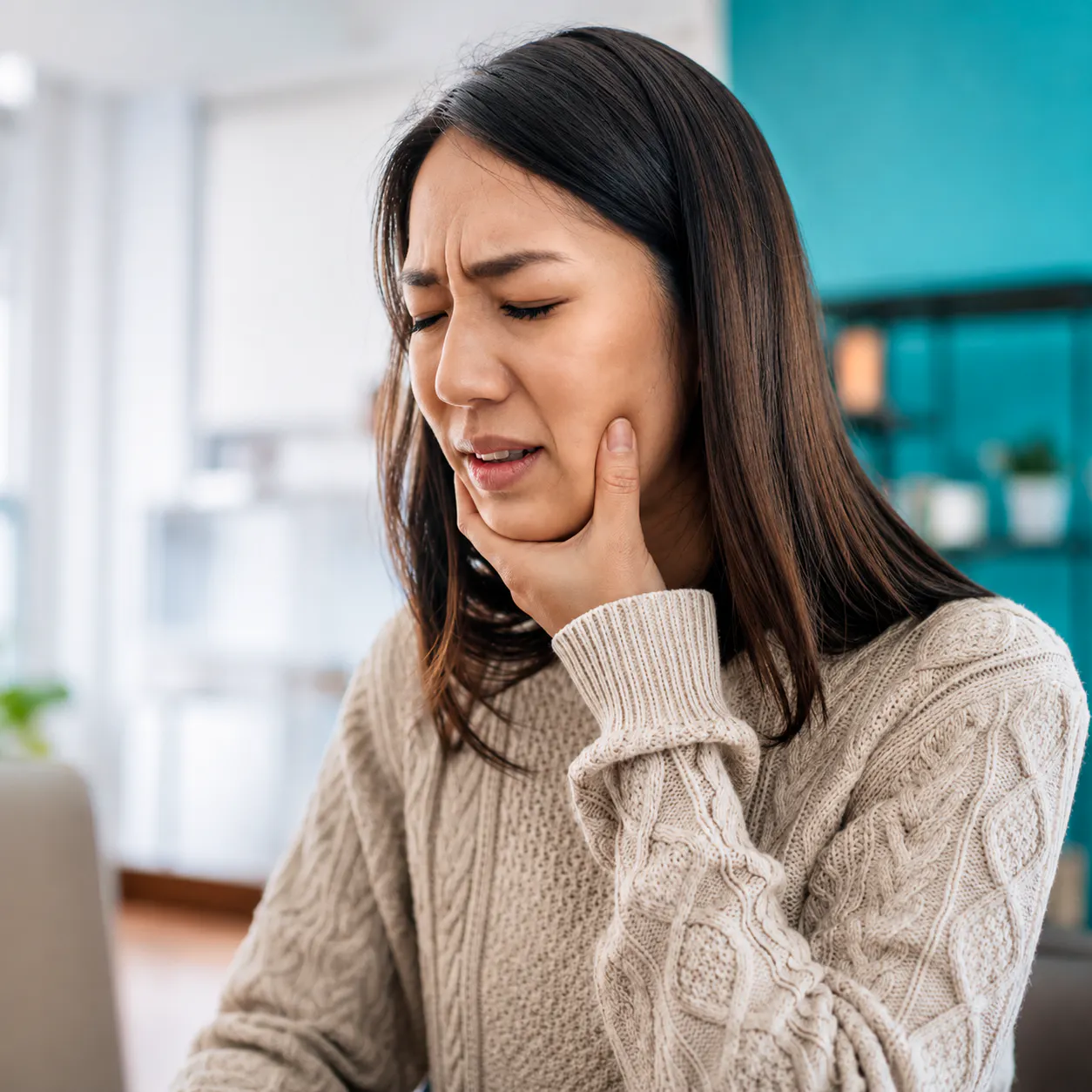
What Does TMJ Pain Actually Feel Like?
Symptoms vary between people, which is partly why it often goes undiagnosed or gets mistaken for something else.
Jaw Tenderness
Pain or tenderness in the jaw, particularly when chewing or yawning.
Clicking or Grinding
A clicking, popping, or grinding sound when opening or closing the mouth.
Locking or Limited Opening
A jaw that occasionally locks open or shut, or difficulty opening the mouth fully.
Face, Ear, Temple, or Neck Pain
Pain may overlap with migraine and tension-type headache patterns.
Tinnitus or Fullness
Some people report ringing, muffled hearing, or a sensation of fullness in the ear.
Headaches With Jaw Tension
When headaches and jaw tension occur together, they may share contributing factors.
If you have been getting headaches and jaw tension together, there is a reasonable chance they are connected.
The Neck Connection
The muscles that control jaw movement are functionally linked to the muscles of the neck and upper back.
When the cervical spine is stiff or the deep neck flexors are weak, the jaw muscles often compensate and become overloaded.
A systematic review and meta-analysis published in Pain Medicine found that manual therapy applied to the cervical spine produced significant reductions in pain intensity and improvements in jaw muscle pressure pain thresholds in TMD patients, and that combining cervical and craniomandibular treatment achieved greater outcomes than cervical treatment alone.
This is why a chiropractic assessment for jaw pain includes a thorough evaluation of the cervical spine, not just the jaw.
Common Causes and Contributing Factors
TMD rarely has a single cause. It is usually a combination of factors building up over time.
Teeth Grinding or Clenching
Particularly during sleep, this places significant load on the jaw joint and surrounding muscles, often without the person being aware it is happening.
Stress
People under stress tend to clench their jaw for hours at a time, fatiguing the masticatory muscles and aggravating the joint.
Forward Head Posture
This shifts the mechanics of how the jaw sits and moves and overloads the upper cervical spine over time.
Injury, Dental Changes & Hypermobility
Previous jaw or facial injuries, dental work that affects bite alignment, and joint hypermobility can all contribute.
How We Approach TMJ at Lakeside
At Lakeside, we assess both the jaw and the cervical spine as part of any TMD presentation.
A 2015 systematic review in the Journal of Oral Rehabilitation found that upper cervical spine manipulation and mobilisation were more effective than control for improving pain and mouth opening in TMD patients, while myofascial release on the masticatory muscles showed low to moderate evidence of benefit.
Depending on what we find, your treatment plan may include:
Cervical and Upper Thoracic Joint Mobilisation or Manipulation
Addresses joint stiffness and referred pain patterns from the upper neck that contribute to jaw symptoms.
Soft Tissue Therapy
Targeted release of the masseter, temporalis, suboccipital, and upper trapezius muscles that directly load the TMJ.
Dry Needling
Releases active trigger points in the jaw and surrounding musculature that refer pain into the face, head, and ear.
Graston Technique
Instrument-assisted soft tissue work for fascial restrictions in the cervical and jaw region.
Cold Laser Therapy
Reduces inflammation in and around the joint and supports tissue healing. Read more at Cold Laser Perth.
Rehabilitation Exercises
Jaw mobility work and postural retraining for the neck and upper back to reduce load between visits.
Research published in the Journal of Oral and Facial Pain and Headache found that combining orofacial and cervical treatment produced greater reductions in pain and better jaw mobility outcomes than cervical treatment alone.
What Happens When You Come In
We look at the full pattern rather than focusing on only one joint or symptom.
- Detailed history: We discuss your jaw symptoms, headache pattern, neck pain, sleep quality, and stress levels.
- Jaw assessment: We examine jaw mobility and joint mechanics.
- Neck and muscle assessment: We assess the cervical spine and check the surrounding musculature for tension and trigger points.
- Clear plan: We explain what we found and put together a plan that addresses your specific pattern.
Patients from across Joondalup, Currambine, Kingsley, Woodvale, Wanneroo, and Duncraig come in with jaw pain that has been left unaddressed. Book an assessment at Lakeside Chiropractic. Call 9300 0095 or visit lakesidechiro.com.au.
Disclaimer: This page provides general health information only and is not a substitute for professional assessment, diagnosis, or treatment. TMJ disorders vary significantly between individuals. Please consult a qualified health professional to discuss your specific circumstances. Results vary between individuals.
References
- Voss LC, et al. (2024). Bruxism, temporomandibular disorders, and headache. Pain, 165(11), 2409-2418. PMID 38888745
- La Touche R, et al. (2020). Effect of manual therapy applied to the cervical region on pain in temporomandibular disorders. Pain Med, 21(10), 2373-2384. PMID 32181811
- Calixtre LB, et al. (2015). Manual therapy for pain and limited range of motion in temporomandibular disorder. J Oral Rehabil, 42(11), 847-861. PMID 26059857
- Asquini G, et al. (2022). Effectiveness of manual therapy applied to craniomandibular structures in temporomandibular disorders. J Oral Rehabil, 49(4), 442-455. PMID 34931336
- Garrigós-Pedrón M, et al. (2018). Effects of a physical therapy protocol in patients with chronic migraine and temporomandibular disorders. J Oral Facial Pain Headache, 32(2), 137-150. PMID 29694464
Location Details

| Day | Hours |
|---|---|
| Sunday | 9:00 AM - 4:00 PM |
| Monday | 9:00 AM - 7:00 PM |
| Tuesday | 8:00 AM - 7:00 PM |
| Wednesday | 8:00 AM - 7:00 PM |
| Thursday | 8:00 AM - 7:00 PM |
| Friday | 8:00 AM - 7:00 PM |
| Saturday | 8:00 AM - 4:00 PM |

