
Cubital Tunnel Syndrome Treatment in Joondalup and Perth's Northern Suburbs
Numbness and tingling in the ring and little fingers, often worse with the elbow bent — cubital tunnel syndrome is the second most common nerve compression in the arm and responds well to early conservative care.
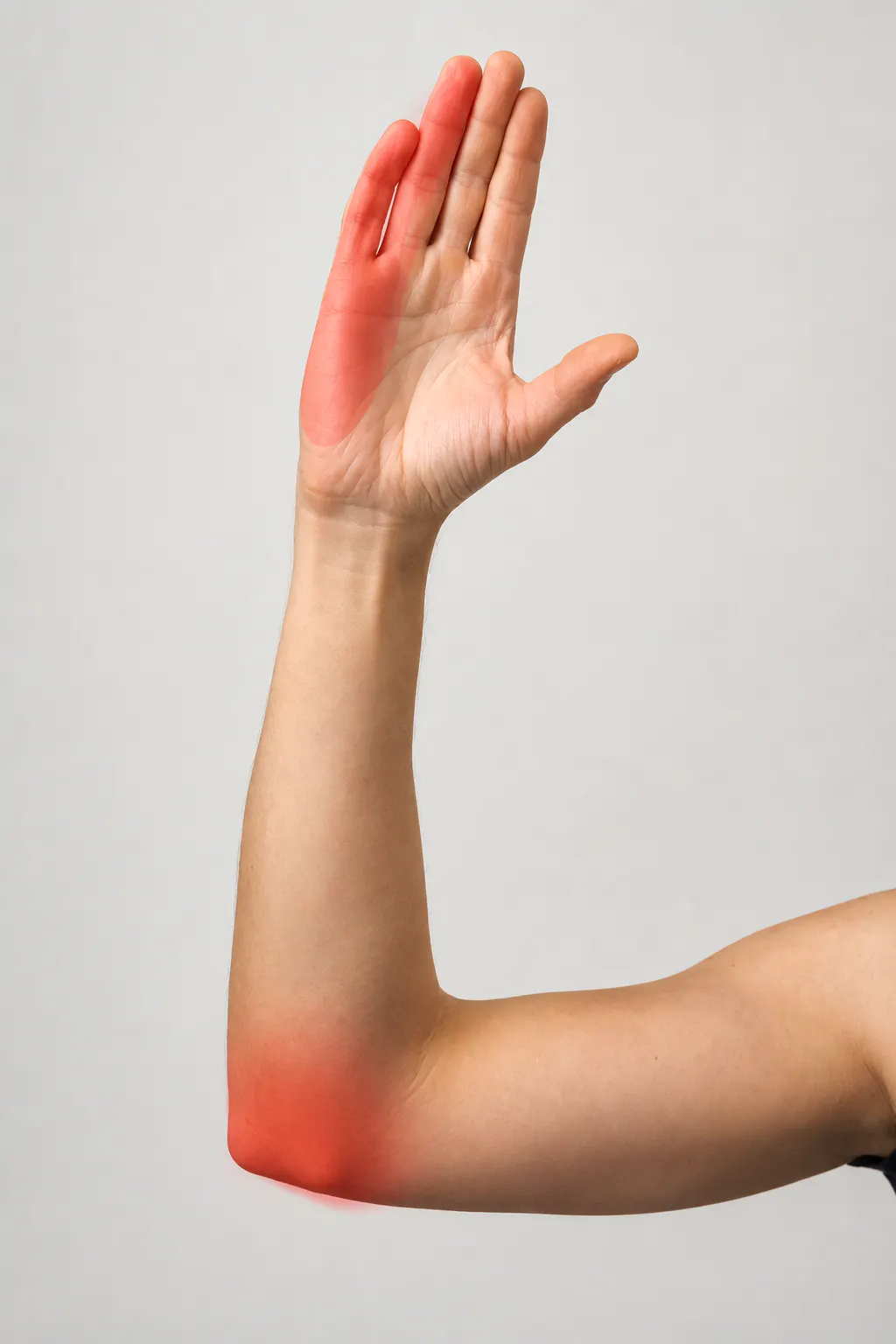
Cubital tunnel syndrome occurs when the ulnar nerve is compressed or irritated at the inner elbow. It produces characteristic symptoms in the ring and little fingers and can significantly affect hand function if left unmanaged.
At Lakeside Chiropractic, we find it is often under-recognised, particularly in people who sleep with their elbows bent or spend hours with their arm resting on a desk edge.
What Causes Cubital Tunnel Syndrome?
The ulnar nerve may become stretched, compressed, or irritated by prolonged elbow flexion, direct pressure, previous injury, or repeated sporting and work activities.
- Prolonged or repeated elbow flexion, which stretches and compresses the ulnar nerve
- Leaning on the inner elbow for extended periods
- Direct pressure from desk edges, armrests, or work surfaces
- A previous elbow injury or fracture that alters the cubital tunnel anatomy
- Repetitive throwing or overhead activities in sport
Why a Broader Assessment Matters
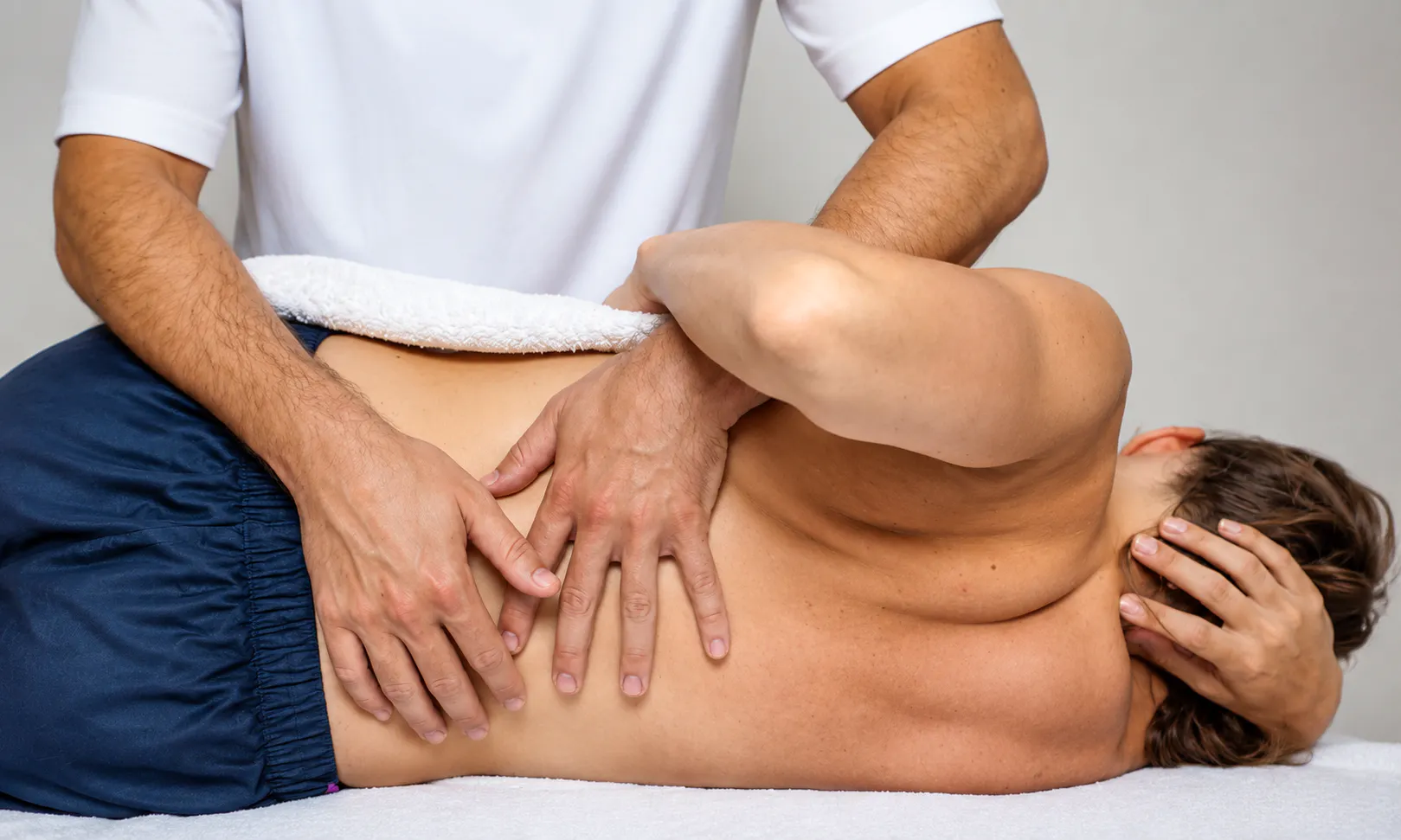
The ulnar nerve begins at the lower cervical spine and travels through the thoracic outlet, arm, inner elbow, and forearm before reaching the hand. Restriction or sensitivity at more than one point can make symptoms harder to settle if only the elbow is addressed.
Symptoms
Symptoms commonly follow the ulnar nerve into the ring and little fingers and often increase when the elbow remains bent.
- Numbness and tingling in the ring and little fingers
- Symptoms that worsen when the elbow is bent, such as while talking on the phone or sleeping
- An aching or shooting pain on the inner side of the elbow
- Weakness in grip or difficulty with fine motor tasks
- In more advanced cases, wasting of the small muscles between the fingers
What the Research Shows
Evidence for neural mobilisation in cubital tunnel syndrome remains limited, but conservative management is commonly recommended before surgery for mild to moderate presentations.
- The 2017 Basson et al. systematic review found that evidence for neural mobilisation in cubital tunnel syndrome was limited and results were uncertain.
- The same review found broader support for nerve mobilisation in upper-limb nerve-compression conditions, supporting its use as one component of a wider conservative approach rather than as a stand-alone treatment.
- Conservative management is consistently recommended before surgical decompression for mild to moderate presentations.
How We Can Help
Care considers the ulnar nerve along its full pathway, the structures around the cubital tunnel, elbow position, and any contributing neck or thoracic-outlet factors.
We release the flexor carpi ulnaris, which forms the roof of the cubital tunnel and can directly compress the ulnar nerve when tight. We also work the medial triceps, which can tether the nerve proximally behind the elbow.
Dry needling may target the flexor carpi ulnaris and medial triceps to reduce muscular compression over the cubital tunnel. Where relevant, the scalenes and first-rib muscles may also be addressed when proximal tension through the thoracic outlet is contributing.
Cold laser may be applied along the ulnar-nerve pathway at the cubital tunnel to reduce perineural inflammation and support nerve recovery without adding mechanical load to sensitised tissue.
Learn more about Cold Laser Therapy or visit Cold Laser Perth .
Interferential current may be applied at the medial elbow to manage pain and reduce local inflammation during the acute phase, particularly when nerve irritability means hands-on care needs to remain light.
We prescribe ulnar-nerve gliding exercises and provide specific advice on elbow positioning at night. Sleeping with the elbow bent beyond 90 degrees can stretch the ulnar nerve for hours at a time and repeatedly aggravate symptoms.
Persistent Ring- or Little-Finger Tingling Is Worth Assessing
Lakeside Chiropractic is based in Joondalup and sees patients from Currambine, Woodvale, Kingsley, Duncraig, Wanneroo, Tapping, Carramar, Heathridge, Edgewater, Mullaloo, Padbury, Banksia Grove, Yanchep, Gnangara, and across Perth's northern suburbs.
Call us on 9300 0095 or visit lakesidechiro.com.au .
Disclaimer: This page provides general health information only and is not a substitute for professional assessment, diagnosis, or treatment. Results vary between individuals. Please consult a qualified health professional to discuss your individual circumstances.
References
- Basson A, et al. The effectiveness of neural mobilization for neuromusculoskeletal conditions: a systematic review and meta-analysis. J Orthop Sports Phys Ther. 2017;47(9):593-615. PMID 28704626

