
Plantar Fasciitis Treatment in Joondalup: Relief for Persistent Heel Pain
Hands on treatment, targeted stretching and load management can help you recover from plantar fasciitis and get back on your feet without that first-step morning pain.
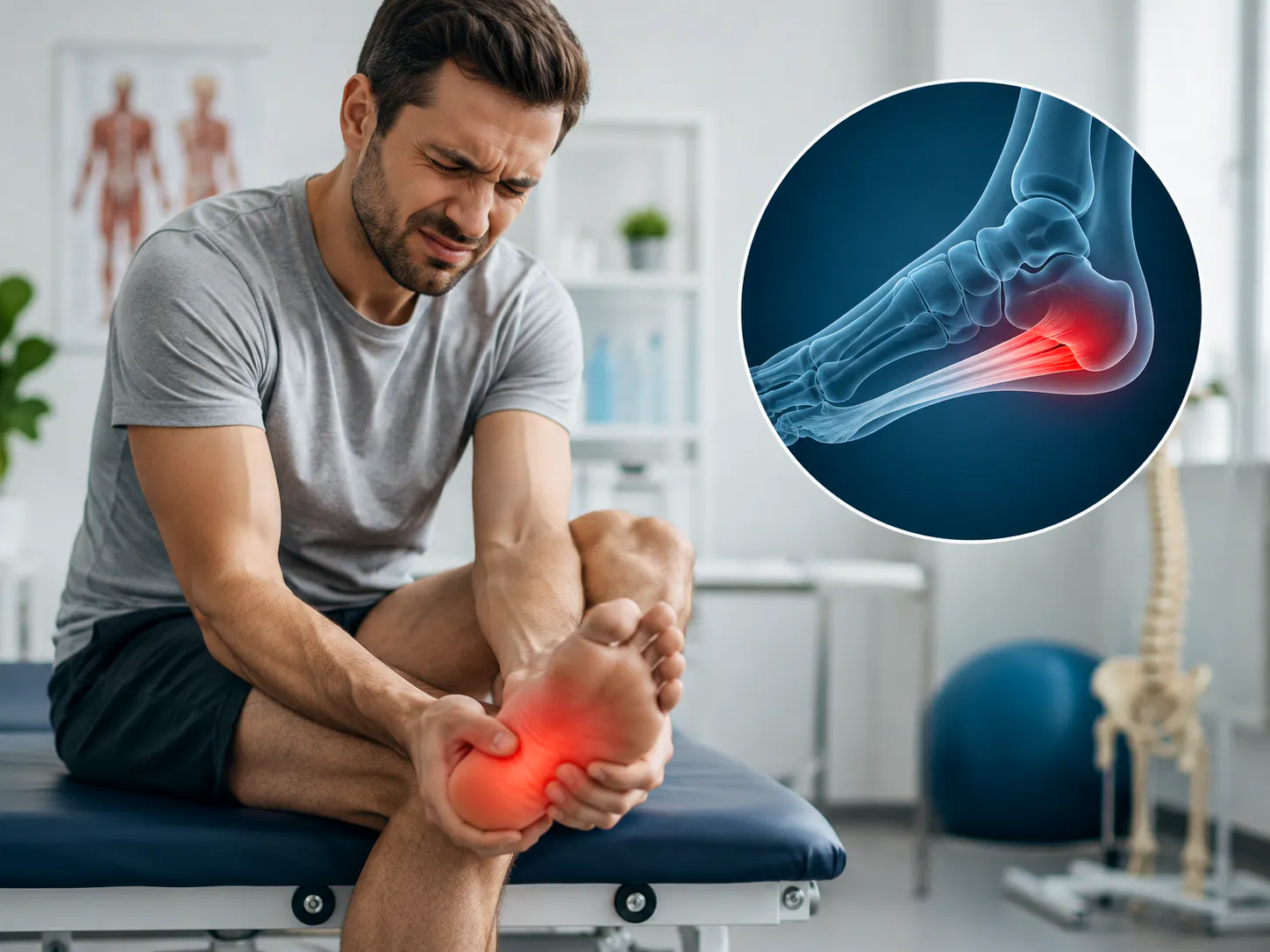
What Is Plantar Fasciitis?
Plantar fasciitis is one of the most common causes of heel pain we see, and it has a habit of showing up as a sharp, stabbing pain with your very first steps in the morning.
We treat it often across Joondalup, Currambine and Perth’s northern suburbs, in everyone from keen runners to people who spend long days on their feet at work.
The plantar fascia is a thick band of tissue running along the bottom of the foot, connecting the heel bone to the base of the toes. Its job is to support the arch and absorb load every time you stand, walk or run. Plantar fasciitis develops when this tissue becomes irritated, most often at the point where it attaches to the heel. Despite the name, the changes involved are often more about the tissue breaking down under repeated load than pure inflammation, which is part of why rest on its own doesn’t always resolve it.
Symptoms of Plantar Fasciitis
- Sharp or aching pain on the underside of the heel
- Pain that’s worst with the first steps in the morning or after sitting for a while
- Pain that eases with a few minutes of movement, then returns after standing or walking for longer periods
- Tenderness when pressing directly on the heel or along the arch
- Stiffness in the foot, particularly first thing in the day
- Occasional aching that spreads into the arch
What Causes Plantar Fasciitis
- Prolonged standing or walking, particularly on hard surfaces
- A sudden increase in training or activity load
- Tight calf muscles or reduced ankle flexibility, which increase tension through the fascia
- Flat feet or high arches, which change how load is distributed across the foot
- Worn out or unsupportive footwear
- Carrying extra body weight, which increases load through the heel
What the Research Shows
Manipulative therapy has fair evidence of short-term benefit.
A systematic review by Brantingham et al. (2012) , examining manipulative therapy across a range of lower extremity conditions, found fair evidence supporting short-term benefit from manipulative therapy for plantar fasciitis, particularly alongside other conservative care.
Myofascial release to the calf and plantar fascia is an effective soft tissue approach.
A systematic review by Piper et al. (2015) examined soft tissue therapies for musculoskeletal conditions of the extremities and found that myofascial release applied to the calf and plantar fascia was effective for plantar fasciitis.
Stretching the plantar fascia provides short-term relief.
A separate systematic review by Woitzik et al. (2015) looked at exercise based interventions for the leg, ankle and foot, and found that plantar fascia stretching produced short-term benefits for plantar heel pain.
Combining hands on treatment with stretching gives the best results among manual approaches.
A clinical trial by Yelverton, Rama and Zipfel (2019) compared three manual therapy protocols for plantar fasciitis at a chiropractic clinic. All three improved pain and ankle range of motion, and the combination of cross friction massage to the plantar fascia with calf stretching produced the greatest overall reduction in pain and disability.
How We Can Help
Our approach focuses on reducing load through the irritated tissue, improving foot and ankle mobility, and supporting recovery, rather than just resting and hoping it settles.
This might include:
Hands on work to the plantar fascia, calf and surrounding muscles to reduce tension and take load off the irritated attachment at the heel.
Restoring movement to stiff joints in the foot, ankle and lower limb, which can take pressure off the plantar fascia and change how load is distributed with each step.
Instrument assisted soft tissue work targeting areas of thickened or fibrous tissue in the plantar fascia and Achilles complex, useful for longer standing cases.
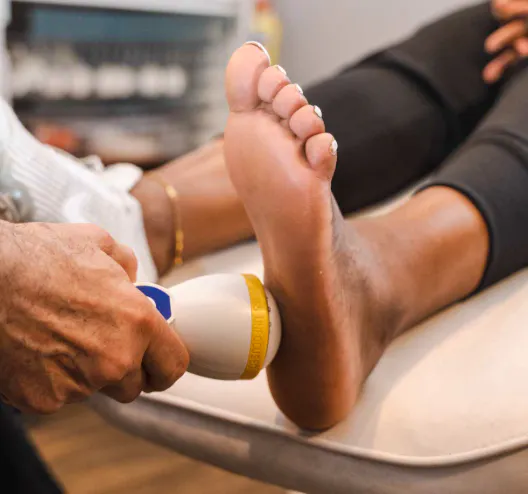
Used to address trigger points in the calf and arch that contribute to ongoing heel pain and restricted ankle movement.
A low-load option that can help reduce inflammation and support tissue recovery at the heel.
Read more about cold laser at our new website Cold Laser Perth .
Taping to support the arch and offload the heel between appointments, helping you stay active while the fascia settles.
A stretching and strengthening program for the calf, foot and hip muscles, which matters for long term recovery and reducing the chance of it coming back.
References
- Brantingham JW, Bonnefin D, Perle SM, et al. Manipulative therapy for lower extremity conditions: update of a literature review. Journal of Manipulative and Physiological Therapeutics. 2012;35(2):127-166. PMID 22325966
- Piper S, Shearer HM, Côté P, et al. The effectiveness of soft-tissue therapy for the management of musculoskeletal disorders and injuries of the upper and lower extremities. Manual Therapy. 2016;21:18-34. PMID 26386912
- Woitzik E, Jacobs C, Côté P, et al. The effectiveness of exercise on recovery and clinical outcomes of soft tissue injuries of the leg, ankle, and foot. Manual Therapy. 2015;20(5):633-645. PMID 25892707
- Yelverton C, Rama S, Zipfel B. Manual therapy interventions in the treatment of plantar fasciitis: a comparison of three approaches. Health SA Gesondheid. 2019;24:1244. PMID 31934436
Disclaimer: This page is intended as general information only and does not replace individual assessment and advice from a qualified health professional. If you're dealing with heel pain or suspect you have plantar fasciitis, book an appointment with our team so we can assess your specific situation and recommend an appropriate treatment plan.
Location Details

| Day | Hours |
|---|---|
| Sunday | 9:00 AM - 4:00 PM |
| Monday | 9:00 AM - 7:00 PM |
| Tuesday | 8:00 AM - 7:00 PM |
| Wednesday | 8:00 AM - 7:00 PM |
| Thursday | 8:00 AM - 7:00 PM |
| Friday | 8:00 AM - 7:00 PM |
| Saturday | 8:00 AM - 4:00 PM |

