
Chiropractic Care for Pregnancy in Joondalup: Support Through Every Trimester
Gentle, pregnancy-safe chiropractic care can help manage the back and pelvic pain that comes with a changing body, so you can stay comfortable and active.
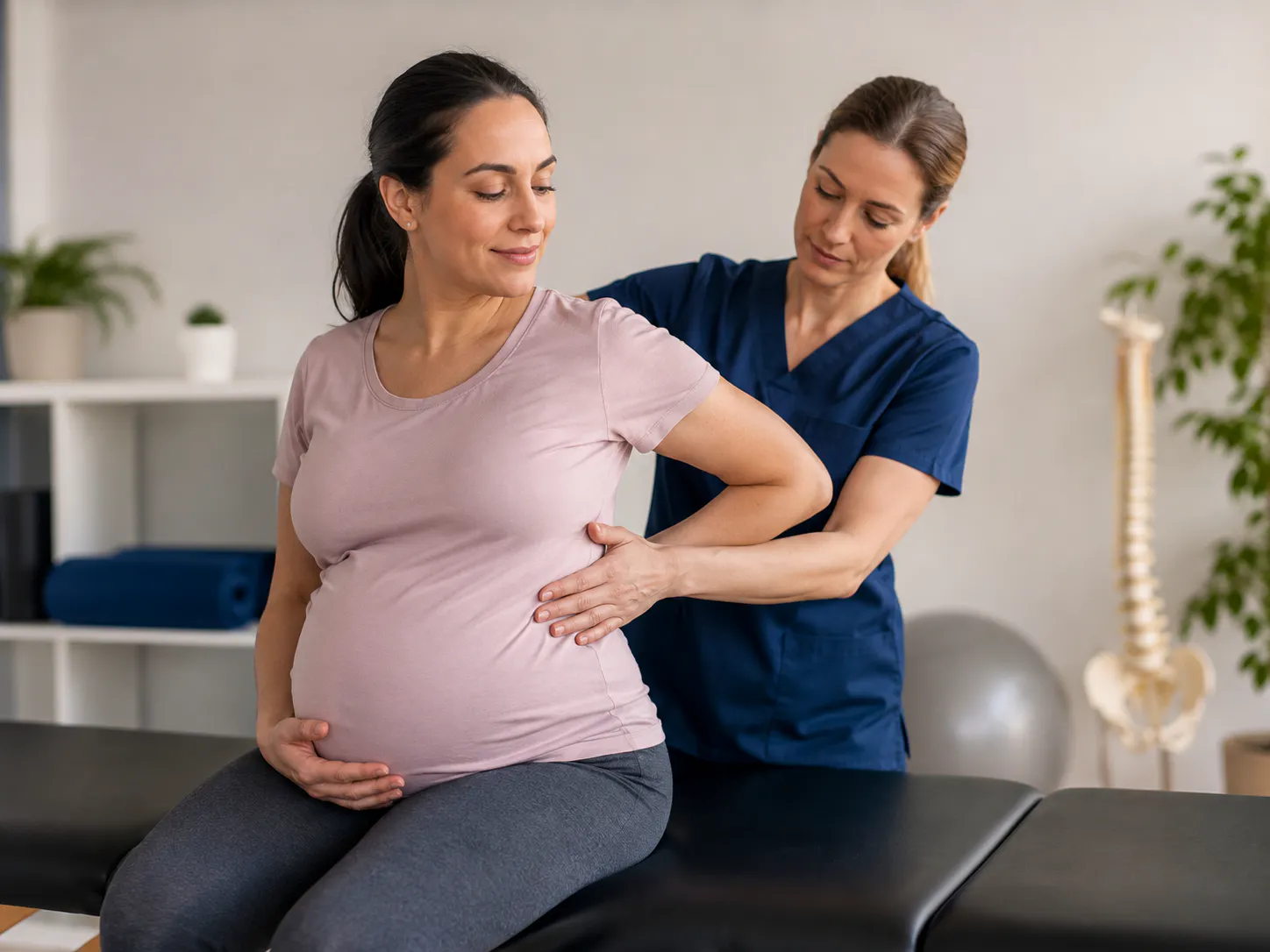
Low back and pelvic pain are some of the most common complaints we hear from expecting mums across Joondalup and Perth’s northern suburbs. As your body changes to accommodate your growing baby, the extra load and shifting posture can leave the lower back, hips and pelvis feeling sore, tight or unstable, and it isn’t only your back, rib tightness and round ligament pain are common too.
What Causes Pregnancy-Related Pain?
During pregnancy, the hormone relaxin loosens the ligaments around the pelvis to prepare the body for birth. Combined with a shifting centre of gravity, weight gain and changes to posture, this can place uneven load through the lower back, hips and pelvic joints.
For some women this shows up as general low back pain, while others develop pelvic girdle pain, felt around the back of the pelvis, the pubic bone, or both.
Symptoms of Pregnancy-Related Pain
- Aching or sharp pain in the lower back, particularly by the end of the day
- Pain around the back of the pelvis or the pubic joint at the front
- Pain with walking, rolling over in bed, or climbing stairs
- A sense of instability or a clicking feeling through the pelvis
- Round ligament pain, often felt as a sharp pull low in the belly with sudden movement
- Rib tightness or a feeling of restricted breathing as your baby grows
- Pain that may radiate into the hip or down the leg
How Your Body Changes Through Pregnancy
First Trimester
Hormonal changes begin softening the muscles and ligaments around your pelvis to prepare for your growing baby, which can affect stability through the pelvis and lower back from early on, even before there’s much of a visible bump.
Second Trimester
As your bump grows and your centre of gravity shifts forward, postural strain becomes more noticeable, often contributing to round ligament pain, rib tightness or pelvic tension.
Third Trimester
Your body continues preparing for labour, and pelvic discomfort or sciatic type pain can become more pronounced as your baby descends. Treatment through this stage focuses on comfort and supporting pelvic balance in the lead up to birth.
What the Research Shows
An early systematic review found chiropractic care associated with improved outcomes, though called for higher quality studies.
A systematic review by Stuber and Smith (2008), published in the Journal of Manipulative and Physiological Therapeutics, reviewed the available evidence on chiropractic care for pregnancy-related low back pain and found it was associated with improved outcomes, though the studies available at the time were of low to moderate quality, meaning firm conclusions couldn’t yet be drawn.
A large prospective study found most pregnant patients improved, with benefits holding up a year later.
A prospective cohort study by Peterson et al. (2014), published in Chiropractic and Manual Therapies, followed 115 pregnant patients receiving chiropractic care for low back pain and found the large majority reported meaningful improvement within the first few months, with that improvement generally maintained through to the one year follow-up.
The most recent systematic review found evidence still inconclusive but favourable overall.
A more recent systematic review by Weis et al. (2020) assessed chiropractic care for pregnancy-related low back and pelvic girdle pain and found inconclusive but favourable evidence for chiropractic care, alongside moderate evidence supporting exercise, in easing these symptoms.
How We Can Help
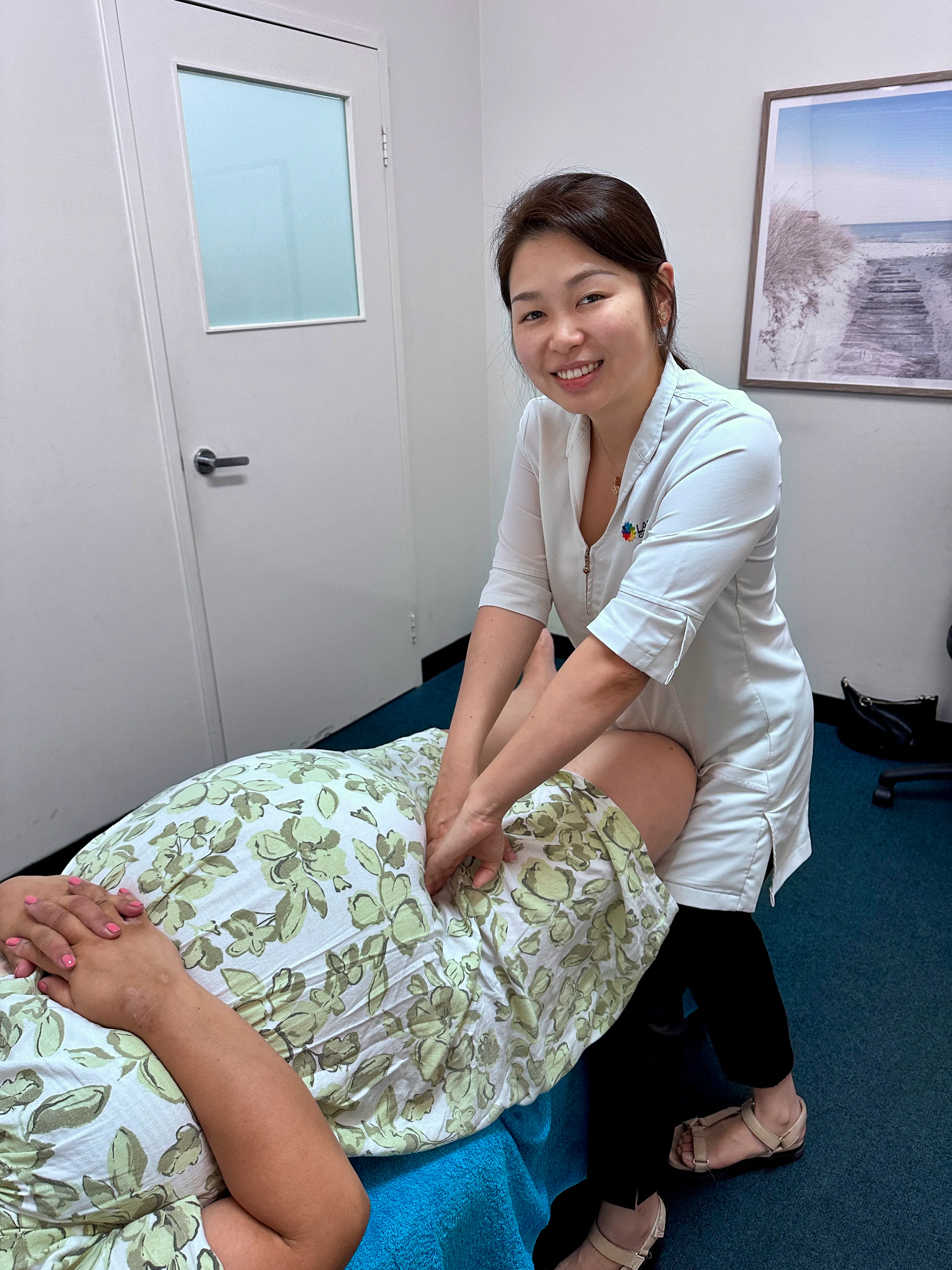
Treatment is adapted throughout pregnancy, with technique, positioning and pressure modified as your body changes. This might include:
Gentle techniques adapted to each trimester, using specially designed pregnancy pillows and pelvic blocks that let you lie face down comfortably even late in pregnancy, alongside pelvis specific approaches such as the Webster Technique and round ligament work.
Low-force spinal and pelvic manipulation, including flexion-distraction technique, adapted to keep any pressure well away from the abdomen and modified as your pregnancy progresses.
Hands on work to ease tension in the muscles supporting the lower back and pelvis as they adapt to the changing load.
Used where appropriate to ease tight muscles contributing to back, hip or rib discomfort, avoiding points that aren’t suitable during pregnancy.
Gentle cupping to the upper back and shoulders to ease the tension that builds up as posture shifts through pregnancy.
Guidance on safe, pregnancy-appropriate exercise to support the pelvis and lower back, in line with the exercise evidence above.
Taping to provide extra support to the pelvis and lower back during daily activity as your pregnancy progresses.
Common Questions
Answers to some of the questions expecting mums commonly ask about pregnancy chiropractic care.
References
- Stuber KJ, Smith DL. Chiropractic treatment of pregnancy-related low back pain: a systematic review of the evidence. Journal of Manipulative and Physiological Therapeutics. 2008;31(6):447-454. PMID 18722200
- Peterson CK, Mühlemann D, Humphreys BK. Outcomes of pregnant patients with low back pain undergoing chiropractic treatment: a prospective cohort study with short term, medium term and 1 year follow-up. Chiropractic and Manual Therapies. 2014;22:15. PMID 24690125
- Weis CA, Pohlman K, Draper C, daSilva-Oolup S, Stuber K, Hawk C. Chiropractic Care for Adults With Pregnancy-Related Low Back, Pelvic Girdle Pain, or Combination Pain: A Systematic Review. Journal of Manipulative and Physiological Therapeutics. 2020;43(7):714-731. PMID 32900544
Disclaimer: This page is intended as general information only and does not replace individual assessment and advice from a qualified health professional. If you're dealing with back or pelvic pain during pregnancy, book an appointment with our team so we can assess your specific situation and recommend an appropriate treatment plan.
Location Details

| Day | Hours |
|---|---|
| Sunday | 9:00 AM - 4:00 PM |
| Monday | 9:00 AM - 7:00 PM |
| Tuesday | 8:00 AM - 7:00 PM |
| Wednesday | 8:00 AM - 7:00 PM |
| Thursday | 8:00 AM - 7:00 PM |
| Friday | 8:00 AM - 7:00 PM |
| Saturday | 8:00 AM - 4:00 PM |

