
Why Is My 13-Year-Old Getting Headaches Every Day?
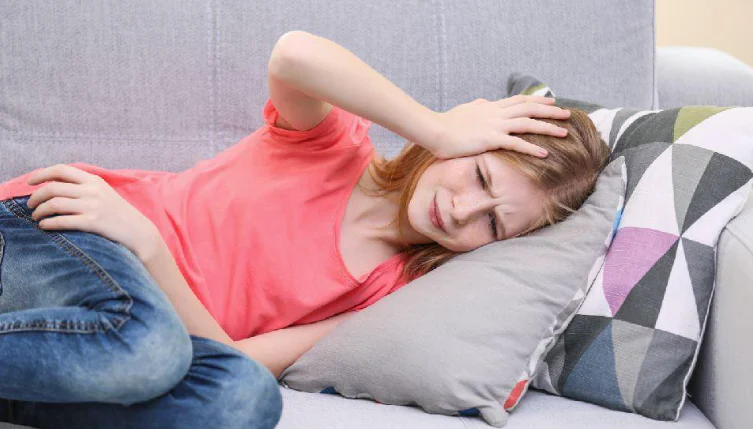
It’s something we’re hearing more often from parents around Joondalup and across Perth:
“My child has been getting headaches almost every day… is this normal?”
If your 13-year-old is experiencing frequent headaches, you’re not alone, and importantly, there are often identifiable, manageable causes.
In many cases, these headaches are not hereditary or random, but instead linked to daily habits, posture, and lifestyle changes.
Common Causes of Daily Headaches in Teenagers
Headaches in teenagers can come from multiple sources, but a growing number are related to modern lifestyle patterns, especially increased screen time.
1. Prolonged Looking Down (Tech Neck)
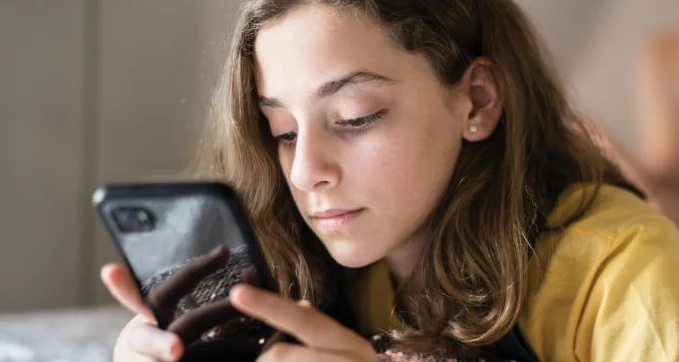
Think about how often your child is:
- Looking down at an iPad
- Using a laptop for school
- Scrolling on their phone
This sustained forward head posture places increased stress on the neck and upper spine.
Research shows that forward head posture can significantly increase load on the cervical spine and contribute to pain and headaches (Hansraj, 2014 – PubMed).
Over time, this can lead to:
- Muscle tension
- Joint stiffness
- Irritation of cervical structures
2. Excessive Screen Time
Extended screen exposure has been associated with:
- Increased headache frequency
- Eye strain
- Reduced physical movement
A systematic review found a strong relationship between screen use and headache prevalence in adolescents (Torsheim et al., 2010 – PubMed).
It’s not just the screen, it’s the combination of posture + duration + lack of movement.
3. Cervicogenic Headaches (Neck-Related Headaches)
Many teenage headaches we see clinically fall into a category called cervicogenic headaches.
This means the headache is:
➡️ Originating from the neck
➡️ Referred into the head
Common signs include:
- Pain starting at the base of the skull
- Tight neck and shoulders
- Headaches after studying or screen use
Studies have shown that dysfunction in the cervical spine can contribute to headache patterns in adolescents (Bogduk, 2009; Fernández-de-las-Peñas et al., 2015 – PubMed).
4. Reduced Movement & Sedentary Lifestyle
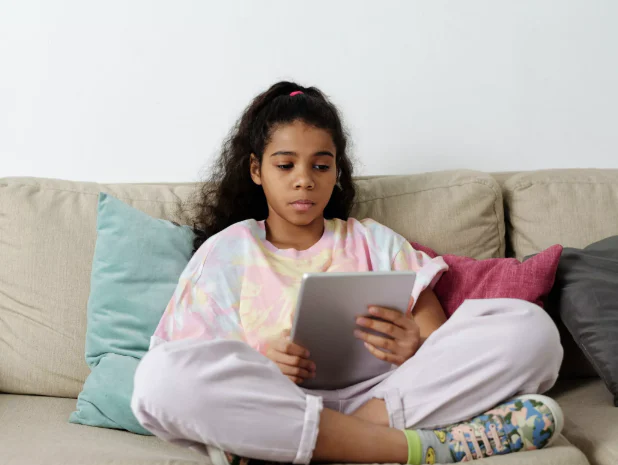
Compared to previous generations, teenagers today:
- Sit more
- Move less
- Spend longer periods indoors
Reduced physical activity has been linked with higher rates of headache and musculoskeletal pain (Straker et al., 2018 – PubMed).
5. Stress and Study Load
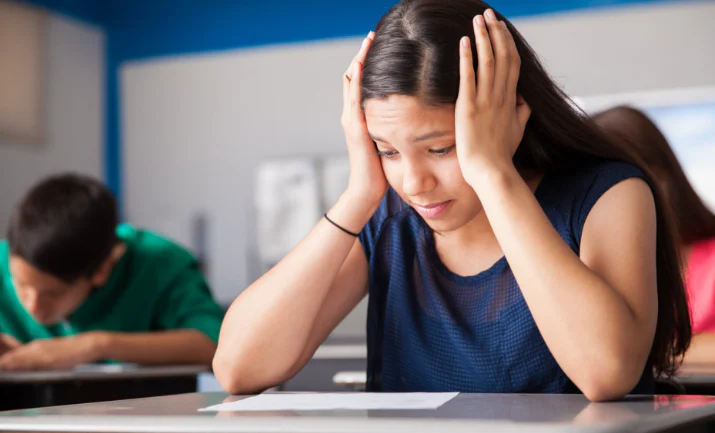
School pressure, exams, and poor sleep can also play a role.
While not always the primary cause, stress can:
- Increase muscle tension
- Lower pain tolerance
- Contribute to headache frequency
Is It Genetic?
Many parents assume:
“I get headaches too, so maybe my child inherited it.”
While some headache types (like migraines) can have a genetic component, most daily headaches in teenagers are not purely hereditary.
More often, they are:
- Mechanical
- Postural
- Lifestyle-related
This is important, because it means they can often be addressed early.
How Chiropractic Assessment May Help
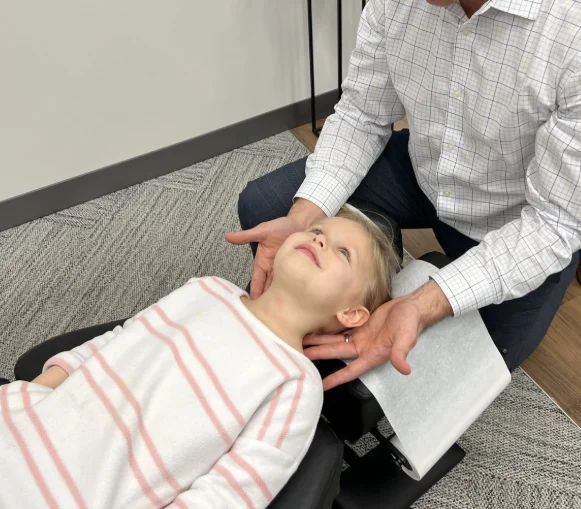
At Lakeside Chiropractic, we focus on identifying the underlying cause, rather than just managing symptoms.
A clinical assessment may look at:
- Posture (especially forward head posture)
- Neck mobility and joint function
- Muscle tension patterns
- Daily habits (study setup, device use)
From there, management may include:
- Manual therapy
- Spinal manipulation
- Dry needling
- Cold laser therapy
- Postural advice
- Exercise and movement strategies
This approach aligns with research suggesting that conservative care may play a role in managing certain types of neck-related headaches (Bronfort et al., 2010 – PubMed).
Why Early Intervention Matters
One of the biggest concerns we see is when these headaches are left unaddressed for months or years.
Over time, this may lead to:
- Chronic headache patterns
- Persistent neck pain
- Reduced concentration and productivity
The earlier the underlying factors are identified, the easier it is to:
✔️ Improve habits
✔️ Reduce strain
✔️ Support long-term spinal health
When Should You Seek Help?
Consider an assessment if your child:
- Has headaches most days
- Complains of neck or shoulder tightness
- Spends long hours on devices
- Feels worse after studying or screen time
If symptoms are severe, worsening, or associated with other neurological signs, medical evaluation is important.
Related Articles You May Find Helpful
- Disc-related back pain and conservative care
- Chiropractic care for Head, Neck and Jaw pain
- Chiropractic care for Tech Neck
Book an Assessment
If your child is experiencing ongoing headaches, a thorough assessment may help identify contributing factors and appropriate management options.
At Lakeside Chiropractic, we are committed to providing personalized care tailored to your specific needs. Our experienced team employs evidence-based chiropractic techniques to ensure optimal outcomes for our patients.
If you’re dealing with neck or back pain that just won’t ease up, book in for an assessment to find out what might be the causes behind it.
📍 Find us in Joondalup
📅 Book online: https://lakesidechiro.au1.cliniko.com/bookings#service
While outcomes can vary, many patients find this multi-modal approach helps improve over time. If you are having back pain or any pain in general, feel free to contact us on 9300 0095 to see how we may be able to help, or visit our website for more information.
📍 Serving the Joondalup & Northern Suburbs of Perth Lakeside Chiropractic is central to the northern suburbs of Perth, located in the City of Joondalup.
If you are in the surrounding suburbs such as Yanchep - 6035, Tapping - 6065, Carramar - 6031, Currambine - 6028, Wanneroo - 6065, Heathridge - 6027, Edgewater - 6027, Gnangara - 6077, Mullaloo - 6027, Padbury - 6025, Kingsley - 6026, Woodvale - 6026, Banksia Grove - 6031, or Duncraig - 6023, our team is here to assist you.
References
References
- Hansraj KK. Assessment of stresses in the cervical spine caused by posture. Surg Technol Int.
- Torsheim T et al. Screen-based activities and physical complaints. BMJ Open.
- Bogduk N. Cervicogenic headache: anatomic basis. J Manipulative Physiol Ther.
- Fernández-de-las-Peñas C et al. Neck disorders and headache. Curr Pain Headache Rep.
- Straker L et al. Sedentary behaviour and musculoskeletal health. Appl Ergon.
- Bronfort G et al. Non-invasive treatments for headaches. Cochrane Review.
Latest Posts

Why Does My Lower Back Hurt When I Wake Up?
October 15, 2026


